0%

The 2026 search for the best Natural Health Supplement OEM suppliers begins with evidence, not attractive catalogs. Grand View Research valued the global dietary supplements market at approximately USD 177.5 billion in 2023. Its report projects a 9.1% compound annual growth rate from 2024 to 2030. These figures suggest strong opportunity, but they do not guarantee reliable manufacturing partners.

Consumer trust is becoming more demanding. The Council for Responsible Nutrition’s 2024 consumer survey reported that 75% of U.S. adults use dietary supplements. Meanwhile, Nutrition Business Journal continues to identify transparency, science-backed claims, and personalized nutrition as important market directions. A capable OEM supplier should therefore provide traceable ingredients, validated testing, stable batch records, and practical regulatory support. Certificates alone are not enough.

Mark Blumenthal, founder of the American Botanical Council, has repeatedly emphasized that “quality is the most important issue in the herbal products industry.” That principle remains highly relevant for OEM buyers. A supplier may offer modern capsules, powders, gummies, or liquid formulas, yet still lack consistent raw-material controls. This is where evaluations can become uncomfortable. Pricing tables rarely reveal weak supplier qualification, delayed stability testing, or unclear change-control procedures.

This guide compares leading Natural Health Supplement OEM suppliers through manufacturing experience, quality systems, formulation capability, documentation, production flexibility, and communication. Forecasts are not promises. Factory photographs are not proof. The strongest partner is the one that can explain each decision, from a sealed ingredient drum to the final printed label, with evidence that survives careful review.
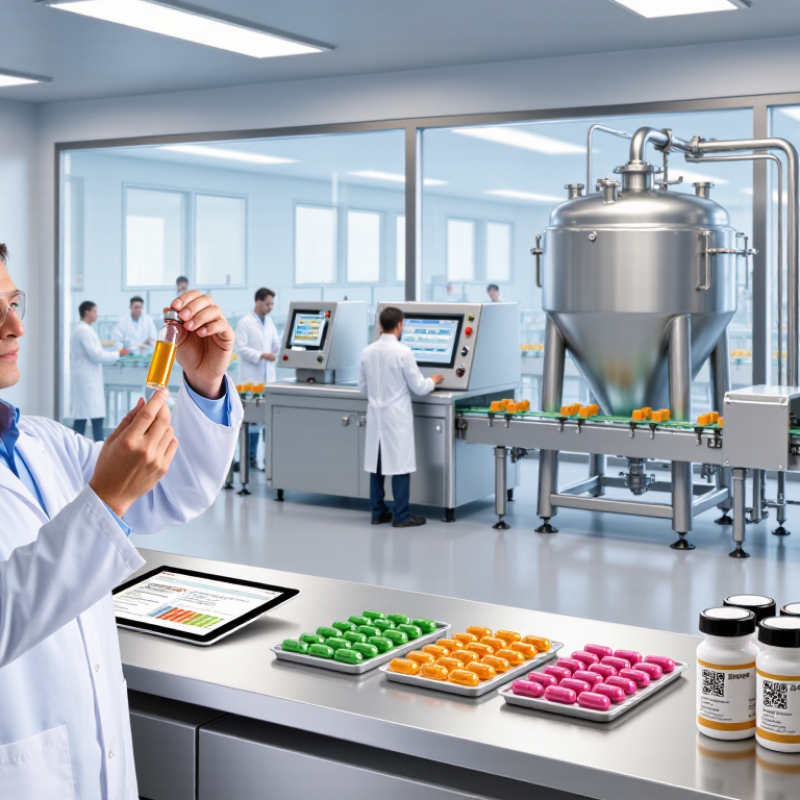
2026 Best Natural Health Supplement OEM Suppliers?

What Natural Health Supplement OEM Suppliers Do

Natural health supplement OEM suppliers turn a product idea into a manufactured supplement. They support formulation, ingredient sourcing, testing, production, packaging, and documentation. A capable supplier may begin with a dosage concept, target customer, and preferred delivery form. The result could be capsules, powders, gummies, or liquid products.

Their technical work is more detailed than many buyers expect. Formulators check ingredient compatibility, dosage accuracy, taste, texture, and shelf stability. Quality teams review supplier records, certificates of analysis, allergen controls, and contamination risks. Manufacturing should follow recognized good manufacturing practices. Batch records and traceability are essential when questions arise.

Regulatory support also matters. Suppliers can help prepare labels, specifications, and market-specific documents. Requirements differ between countries, so one formula may not fit every market. Responsible teams avoid disease-treatment promises and verify permitted claims before printing packaging. Independent testing may check identity, microbial limits, heavy metals, or active compounds.

The process is not perfectly smooth. Natural ingredients can vary by harvest, origin, and processing method. A color may change slightly, or a flavor may require another trial. That is not automatically a quality failure, but it needs investigation and documentation. Experienced suppliers communicate delays, explain test results, and provide realistic production timelines. Buyers should inspect facilities, request sample batches, and question unclear certificates. Good partnerships depend on evidence, not polished presentations.

Key Criteria for Evaluating OEM Supplement Manufacturers

2026 Best Natural Health Supplement OEM Suppliers?

Key Criteria for Evaluating OEM Supplement Manufacturers

Choosing a natural health supplement OEM supplier requires more than comparing prices. The Council for Responsible Nutrition’s 2024 Consumer Survey reported that 75% of U.S. adults use dietary supplements. That level of demand increases the cost of weak quality controls. Ask for documented cGMP compliance under 21 CFR Part 111, not vague claims about “premium production.” Review batch records, allergen controls, sanitation logs, and employee training evidence. Small details matter, especially around shared equipment and changeover cleaning.

Independent testing should confirm identity, potency, contaminants, and stability. The 2024 McKinsey Future of Wellness report estimated the U.S. wellness market exceeds $450 billion annually, with continued growth across nutrition and preventive health. A serious OEM should provide validated methods, laboratory accreditation details, and certificates of analysis linked to specific lot numbers. Test the raw material before production, not only the finished capsules. It costs more, but it exposes problems earlier.

Supplier experience also deserves practical testing. Request a pilot batch, inspect packaging during a site visit, and ask how deviations are investigated. A polished audit file is not proof of consistent work. I would also compare three recent batches, because one successful sample can mislead. Formulation support should explain ingredient evidence, dosage limits, interactions, and label accuracy without promising disease treatment. Some suppliers may resist these questions. That resistance is useful information.

Top Natural Supplement OEM Supplier Capabilities in 2026

In 2026, natural supplement OEM suppliers need more than attractive packaging and a broad ingredient list. Strong suppliers should offer practical formulation support, including botanical extracts, vitamins, minerals, powders, capsules, and liquid formats. Their technical teams should explain dosage limits, ingredient interactions, stability concerns, and flavor challenges clearly. Clear answers matter.

Reliable manufacturing also depends on documented quality systems. Look for GMP-aligned production, validated cleaning procedures, calibrated equipment, and trained operators. Each batch should have traceability from raw material intake to finished packaging. Independent testing can verify identity, purity, heavy metals, microbes, and common allergens. Certificates of analysis are useful, but buyers should check whether testing matches the product’s actual risks.

Tips: Request a sample specification sheet before discussing volume. Ask how suppliers investigate failed tests or customer complaints. Review stability data for the intended package, especially for oils, probiotics, and moisture-sensitive powders. Confirm sourcing records and production lead times in writing. A factory tour, even by video, can reveal storage conditions and workflow discipline. Do not rely on polished samples alone. I would also question unusually fast launches, because careful testing often takes longer than expected. Some suppliers may communicate well but lack strong change-control procedures. That weakness can affect consistency.

How to Compare Quality, Compliance, and Production Services

Choosing a natural health supplement OEM supplier requires more than a polished factory tour.

A scorecard should examine quality, compliance, and production control together. The Council for Responsible Nutrition reported that 74% of U.S. adults used supplements in 2023. That demand increases the cost of weak verification.

Ask for batch-specific certificates of analysis, not generic templates. Confirm identity, potency, microbial limits, allergens, and heavy-metal testing. Review laboratory accreditation and test methods.

Under FDA 21 CFR Part 111, manufacturers must follow detailed current Good Manufacturing Practice controls. A reliable supplier should explain deviations, corrective actions, and traceability without hiding behind technical language.

Walk through the production area if possible. Look for labeled quarantine zones, sealed raw materials, calibrated scales, and temperature records. Compare minimum order quantities, pilot-batch options, stability studies, packaging controls, and realistic lead times.

The 2024 Nutrition Business Journal report shows the U.S. supplement market remains above 60 billion dollars, but market size does not guarantee product quality. Be careful here.

A low quotation may exclude testing, documentation, or change-control support. I would also request three recent anonymized batch records and contactable customer references. No scorecard is perfect. Still, written evidence usually reveals more than confident promises.

Steps for Choosing the Right Natural Health Supplement OEM Partner

Choosing a natural health supplement OEM partner in 2026 requires more than comparing prices. Grand View Research valued the global dietary supplements market at approximately USD 177.5 billion in 2023, with continued growth expected through 2030. That expansion attracts capable manufacturers, but also inexperienced suppliers.

PRODUCT DEFINITION Define your product before requesting quotations. List the ingredient form, target serving, packaging, shelf life, and intended market. Then verify the facility’s GMP certification, production records, allergen controls, and batch traceability. Ask for recent certificates of analysis, not generic templates. Independent testing should cover identity, potency, heavy metals, microbes, and contaminants when relevant. The U.S. FDA requires dietary supplement manufacturers to follow current Good Manufacturing Practice rules under 21 CFR Part 111.

Visit the facility if possible. Look at weighing rooms, quarantine areas, and temperature logs. Small details matter. A clean showroom proves little. Request stability data for the final packaged product, especially for botanical powders, oils, and probiotics. The Council for Responsible Nutrition’s 2024 consumer research reported that supplement use remains widespread among U.S. adults, increasing pressure for transparent quality controls. Still, market demand is not evidence of product performance.

Review minimum order quantities, lead times, change-control procedures, recall support, and claim review. Ask who owns the formula and testing records. One overlooked question can become an expensive delay. I would also compare two pilot batches instead of trusting one successful sample. That approach costs more initially, but it exposes inconsistent mixing, poor packaging fit, or unrealistic delivery promises before commercial production.

FAQS

What does a natural health supplement OEM supplier do?

It turns a product idea into a finished supplement. Support may include formulation, sourcing, testing, production, packaging, and documentation. Products can be capsules, powders, gummies, or liquids.

What information should buyers provide at the beginning?

Share the target customer, dosage concept, preferred format, and intended market. These details guide formulation and label preparation. A vague brief creates avoidable revisions.

How does a supplier check product quality?

Quality teams review raw material records, certificates of analysis, allergen controls, and contamination risks. Testing may examine identity, microbes, heavy metals, and active compounds. Evidence matters.

Why are batch records and traceability important?

Traceability connects raw materials to finished packaging. It helps teams investigate failed tests, complaints, or unexpected changes. Each batch should have clear records.

Can one formula serve every country?

Not always. Ingredient rules, dosage limits, labels, and permitted claims can differ between markets. Suppliers should prepare market-specific documents and avoid disease-treatment promises.

What should buyers inspect before choosing a supplier?

Request sample batches, specification sheets, sourcing records, and recent test results. Review cleaning procedures, equipment calibration, storage conditions, and operator training. A video factory tour can reveal workflow problems.

Why might a natural supplement change color or flavor?

Natural ingredients can vary by harvest, origin, and processing method. A slight change is not automatically a failure. The supplier should investigate, test, and document the reason.

How long should product development take?

Timing depends on formulation trials, testing, packaging, and production capacity. Oils, probiotics, and moisture-sensitive powders may need stability studies. Very fast launches deserve careful questions. Speed is not proof of efficiency.

Conclusion

Choosing the right Natural Health Supplement OEM partner is essential for turning a wellness concept into a reliable, market-ready product. These manufacturers support the full process, including formulation development, ingredient sourcing, testing, production, packaging, and documentation. The best partners combine technical expertise with flexible services, helping businesses create supplements that meet their target audience’s needs while maintaining consistent quality and product integrity.

When evaluating suppliers in 2026, companies should compare manufacturing capabilities, quality-control systems, regulatory compliance, certifications, production capacity, minimum order quantities, lead times, and communication practices. Transparent sourcing, scientifically supported formulations, accurate labeling, stability testing, and strong batch-traceability procedures are also important considerations. A practical selection process includes defining product goals, reviewing supplier qualifications, requesting samples, assessing documentation, confirming production requirements, and discussing long-term cooperation. By carefully comparing quality, compliance, innovation, and service reliability, businesses can choose an OEM partner that supports sustainable growth and responsible supplement development.


Amelia

Amelia

Amelia is a skilled marketing professional with a deep understanding of the company’s products, customers, and industry landscape. With a strong ability to translate complex product features into clear, valuable insights, she regularly contributes professional blog articles to the company website,......