Blog

Top 10 Green Tea Extract Supplement OEM Suppliers in China

Top 10 Green Tea Extract Supplement OEM Suppliers in China

Choosing a Green Tea Extract Supplement OEM partner takes more than comparing prices or polished product photos. Buyers need to examine how suppliers manage raw-material sourcing, catechin standardization, production controls, and batch testing. Small details matter. A clear specification, a current certificate of analysis, and consistent answers about testing can reveal more than a sales brochure. Quality pioneer Kaoru Ishikawa is widely associated with the principle, “Quality control begins and ends with training.” It is a useful lens for evaluating supplement manufacturers: reliable processes depend on capable teams, not only impressive equipment. This guide to the Top 10 Green Tea Extract Supplement OEM Suppliers in China considers manufacturing experience, quality documentation, customization options, communication, and the ability to maintain consistent product specifications. These points help buyers build a shortlist, but they do not replace direct due diligence. A supplier’s website may look convincing; a factory audit may tell a different story. That gap deserves attention. No supplier is right for every brand. Some buyers need flexible packaging and smaller production runs, while others prioritize established testing systems and larger-scale capacity. The comparison that follows aims to make those trade-offs easier to assess. It is not a substitute for checking current documents, requesting samples, and confirming requirements directly with each manufacturer. Even a careful ranking has limits.
Read more »
Amelia By:Amelia - October 30, 2026
How to Choose a Fish Oil Softgel Manufacturer in 2026?

How to Choose a Fish Oil Softgel Manufacturer in 2026?

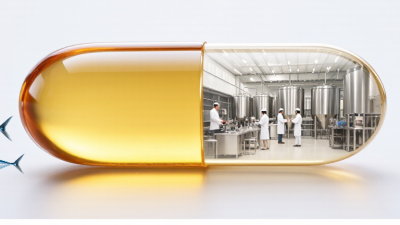
Choosing a Fish Oil Softgel Manufacturer in 2026 requires more than comparing price lists. The global omega-3 market continues to expand, but published estimates differ by product scope and research method. Grand View Research reports sustained growth in the omega-3 products market, while GOED market insights emphasize rising demand for EPA and DHA ingredients. These figures show opportunity, not automatic quality. The stronger question is simple: can the manufacturer prove each quality claim? Fish Oil Softgel Manufacturing should include documented sourcing, species identification, contaminant testing, oxidation control, and batch traceability. The GOED Voluntary Monograph recommends benchmarks for peroxide value, anisidine value, and total oxidation. These limits are useful reference points, although they do not replace applicable regulations. IFOS testing and relevant USP monographs can provide additional evidence for purity, potency, and consistency. Ask for recent certificates of analysis, not attractive brochures. Check whether results come from an independent laboratory. Review the supplier’s handling of raw oil, from cold storage to nitrogen flushing and final packaging. A transparent factory should explain its gelatin source, softgel weight variation, shelf-life data, and recall procedure without hesitation. The cheapest option may not be efficient. It may simply exclude testing. Yet expensive equipment alone proves little. Audit records, corrective actions, and experienced technical staff matter more than polished marketing. No checklist is perfect. Buyers should still verify claims against current local requirements and recognized scientific guidance, including reports from GOED, USP, and relevant food-safety authorities. That practical discipline helps protect product quality, brand credibility, and consumer trust.
Read more »
Alexander By:Alexander - October 25, 2026
What Is Powder Supplement OEM Manufacturing?

What Is Powder Supplement OEM Manufacturing?

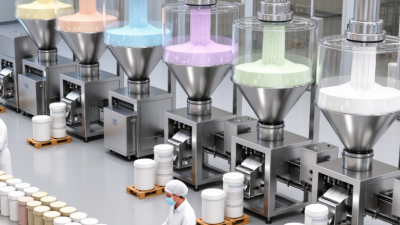
Powder Supplement OEM Manufacturing has become a practical route for brands entering a crowded nutrition market. It allows a company to develop products through an experienced manufacturer, rather than building its own blending and packing facility. The manufacturer may manage ingredient sourcing, formula development, mixing, testing, filling, labeling, and batch documentation. Picture a production room where measured powders move through stainless-steel equipment before entering sealed sachets or tubs. The commercial opportunity is substantial. Grand View Research reported that the global dietary supplements market was valued at approximately USD 177.5 billion in 2023. Its analysis also projects continued growth through 2030, supported by preventive health, sports nutrition, and convenient product formats. The Nutrition Business Journal has similarly tracked strong supplement sales in the United States. These figures explain why powdered products attract new brands. They do not guarantee success. OEM production is more than selecting a flavor from a catalog. Brands must evaluate supplier qualifications, allergen controls, identity testing, stability evidence, and production traceability. In the United States, the FDA states that supplement manufacturers are responsible for product safety and truthful labeling. The agency also emphasizes current Good Manufacturing Practices under 21 CFR Part 111. Requirements differ across markets, so professional regulatory review remains essential. Details matter. A reliable partner should provide clear certificates, realistic lead times, and documented quality procedures. Formula ownership and change-control terms also need careful review. A low quotation may hide testing gaps or weak communication. That is an uncomfortable possibility, but it deserves attention. Powder Supplement OEM Manufacturing can shorten the path from concept to shelf, yet disciplined verification separates a credible launch from an expensive mistake.
Read more »
Amelia By:Amelia - October 15, 2026
What Is Liquid Syrup Supplement Formulation?

What Is Liquid Syrup Supplement Formulation?

Liquid Syrup Supplement Formulation describes the process of creating supplements in a pourable, flavored liquid form. Unlike capsules, a syrup carries nutrients through a measurable spoonful or dose cup. Its texture, flavor, color, and thickness strongly influence daily use. The goal is not merely to dissolve ingredients. A useful product should remain stable, consistent, and pleasant from the first serving to the last. It must also provide clear directions for safe and practical consumption. During development, formulators select suitable vitamins, minerals, botanical extracts, sweeteners, acids, and supporting ingredients. They consider ingredient solubility, moisture sensitivity, taste, viscosity, and interactions. Preservative strategy must match the formula and packaging system. Each decision affects stability, appearance, and consumer confidence. A promising recipe can still separate overnight. That small failure matters. It may signal poor dispersion, unsuitable ingredients, or an incomplete testing plan. Reliable development combines practical experience with laboratory evaluation and documented quality controls. Testing can examine microbial quality, pH, viscosity, sedimentation, and stability under expected storage conditions. Manufacturers should record raw material specifications, batch procedures, filling controls, and finished-product results. Expert review also helps identify claims that require stronger evidence. Consumer experience remains important. Some users dislike thick textures, while others prefer a richer flavor. In practice, the first version is rarely perfect. This article explains how liquid syrup supplements are designed, tested, and refined. It also considers common formulation challenges, including separation, off-flavors, inaccurate dosing, and limited shelf stability. The discussion stays focused on responsible, evidence-informed product development.
Read more »

Evelyn By:Evelyn - October 10, 2026
China Top 10 Gummy Supplement Contract Manufacturing Companies?

China Top 10 Gummy Supplement Contract Manufacturing Companies?

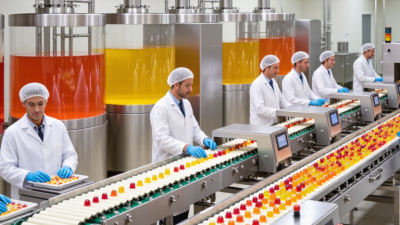
China has become a major sourcing destination for gummy supplement development, blending, and packaging. Yet choosing a reliable partner requires more than comparing factory photos or minimum order quantities. This guide reviews ten China-based companies active in Gummy Supplement Contract Manufacturing. It focuses on practical evidence, including production experience, formulation support, ingredient traceability, testing capacity, packaging control, and documented quality systems. Facilities should demonstrate suitable GMP-based procedures, batch records, allergen controls, stability testing, and transparent communication. Dr. Ralf Jäger, a sports nutrition scientist and contract manufacturing specialist, has stated, “Quality is the foundation of trust in dietary supplements.” That principle matters when a gummy must maintain its shape, flavor, potency, and microbiological safety during storage. A bright berry flavor means little if the active ingredient disperses unevenly. Details matter. The companies discussed here may serve different business models. Some support private-label launches, while others handle custom formulas, large-scale production, or export documentation. Their strengths may also vary by dosage format, sweetener system, tooling capability, and order volume. No ranking is perfect. Supplier information changes, and public claims do not replace an audit. Buyers should request current certifications, recent test reports, sample batches, and clear corrective-action procedures before signing a manufacturing agreement. This overview is therefore a research starting point, not a substitute for technical due diligence, regulatory review, or direct factory verification.
Read more »
Amelia By:Amelia - October 5, 2026
How to Choose a Custom Capsule Supplement Manufacturer

How to Choose a Custom Capsule Supplement Manufacturer

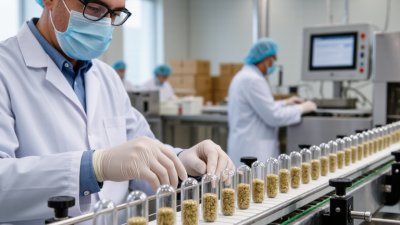
Choosing a capsule manufacturer is not a box-ticking exercise. The right partner can help protect product consistency, ingredient integrity, and delivery timelines. The market is growing quickly: Grand View Research estimated the global dietary supplements market at USD 177.5 billion in 2023, with projected growth through 2030. That scale brings more supplier choices—and more reason to verify claims. Custom Capsule Supplement Manufacturing involves decisions beyond capsule size and color. Ask how a facility qualifies suppliers, controls moisture, documents batch records, and handles out-of-specification results. Request relevant audit documentation and independent testing records. A polished sample is useful. Traceability is better. Still, paperwork alone cannot prove day-to-day performance. A practical evaluation should compare technical capability, communication, minimum order quantities, lead times, and quality systems. Confirm which services are performed in-house and which are outsourced. Details matter. A delayed test result or unclear change-control process can disrupt a launch. The U.S. FDA explains that dietary supplement manufacturers must follow current good manufacturing practice requirements; readers should review the agency’s guidance directly when assessing a supplier. Expert quotations should be verified against a primary source before publication. Without a confirmed, attributable statement from a named manufacturing expert, inventing a quotation would undermine trust. Use this guide to ask sharper questions, examine evidence, and choose a partner whose answers hold up under scrutiny.
Read more »
Amelia By:Amelia - September 30, 2026
Why Choose Contract Softgel Manufacturing?

Why Choose Contract Softgel Manufacturing?

Why Choose Contract Softgel Manufacturing? The question matters as supplement and pharmaceutical brands face tighter quality expectations, shorter launch windows, and rising equipment costs. Grand View Research estimates that the global softgel capsules market will continue expanding through 2030, supported by demand for convenient, easy-to-swallow dosage forms. Its analysis also identifies contract manufacturing as an important route for improving production flexibility. Contract Softgel Manufacturing gives companies access to encapsulation lines, gelatin preparation systems, stability testing, and experienced quality teams. A capable partner can manage formulation trials, fill-weight control, leak testing, packaging, and batch documentation under one system. The practical difference appears on the factory floor. Operators check capsule seams, inspect transparent shells, and remove units with visible defects before release. Former FDA official Dr. Janet Woodcock stated, “Quality cannot be tested into products; it has to be built into them.” That principle is highly relevant to softgel production. It supports supplier audits, validated processes, traceable raw materials, and scientifically justified specifications. It also demands honest communication. Outsourcing is not automatically cheaper. A weak partner may create delays, transfer problems, or inconsistent batches. That risk deserves attention. A 2023 MarketsandMarkets report describes the pharmaceutical contract manufacturing market as increasingly driven by outsourcing, specialized capacity, and development efficiency. Still, market growth does not guarantee supplier quality. The strongest decision compares technical capability, regulatory experience, minimum order quantities, lead times, and communication standards. Brands should request evidence, not promises. A well-chosen manufacturer can turn a complex softgel concept into a consistent, commercially realistic product. But careful due diligence remains essential.
Read more »
Amelia By:Amelia - September 20, 2026
2026 Best Natural Health Supplement OEM Suppliers?

2026 Best Natural Health Supplement OEM Suppliers?

The 2026 search for the best Natural Health Supplement OEM suppliers begins with evidence, not attractive catalogs. Grand View Research valued the global dietary supplements market at approximately USD 177.5 billion in 2023. Its report projects a 9.1% compound annual growth rate from 2024 to 2030. These figures suggest strong opportunity, but they do not guarantee reliable manufacturing partners. Consumer trust is becoming more demanding. The Council for Responsible Nutrition’s 2024 consumer survey reported that 75% of U.S. adults use dietary supplements. Meanwhile, Nutrition Business Journal continues to identify transparency, science-backed claims, and personalized nutrition as important market directions. A capable OEM supplier should therefore provide traceable ingredients, validated testing, stable batch records, and practical regulatory support. Certificates alone are not enough. Mark Blumenthal, founder of the American Botanical Council, has repeatedly emphasized that “quality is the most important issue in the herbal products industry.” That principle remains highly relevant for OEM buyers. A supplier may offer modern capsules, powders, gummies, or liquid formulas, yet still lack consistent raw-material controls. This is where evaluations can become uncomfortable. Pricing tables rarely reveal weak supplier qualification, delayed stability testing, or unclear change-control procedures. This guide compares leading Natural Health Supplement OEM suppliers through manufacturing experience, quality systems, formulation capability, documentation, production flexibility, and communication. Forecasts are not promises. Factory photographs are not proof. The strongest partner is the one that can explain each decision, from a sealed ingredient drum to the final printed label, with evidence that survives careful review.
Read more »
Amelia By:Amelia - September 20, 2026
10 Best Private Label Supplement Manufacturing Companies

10 Best Private Label Supplement Manufacturing Companies

The supplement market is expanding, but rapid growth increases the cost of choosing the wrong manufacturing partner. Grand View Research valued the global dietary supplements market at approximately $177.5 billion in 2023. Its report also projects continued growth through 2030, supported by wellness awareness, preventive health, and personalized nutrition. Private Label Supplement Manufacturing helps brands enter this market without building their own production facilities. A typical project may involve formula development, raw material sourcing, testing, packaging, and batch release. Each step affects product quality and customer trust. A delayed certificate, unclear ingredient origin, or weak stability process can quickly damage a promising launch. The details matter. This article reviews 10 Best Private Label Supplement Manufacturing Companies through practical and quality-focused criteria. These include cGMP compliance, third-party testing, formulation expertise, minimum order quantities, production flexibility, documentation, and communication. The U.S. Food and Drug Administration requires dietary supplement manufacturers to follow current Good Manufacturing Practice standards under 21 CFR Part 111. However, compliance claims still need verification. A badge on a website is not enough. The National Institutes of Health Office of Dietary Supplements also emphasizes accurate labeling, ingredient evidence, and responsible product communication. These principles guide this comparison. Still, no ranking can replace a facility audit, sample review, or legal assessment for a specific market. Some information may change as companies update certifications and capabilities. That limitation deserves attention. A reliable partner should make quality visible, not merely promise it. The strongest manufacturers combine technical knowledge, traceable systems, responsive service, and realistic production commitments.
Read more »
Evelyn By:Evelyn - September 20, 2026