Choosing among 2026 Supplement Blister Packaging Services means looking beyond a clean-looking sample. A blister card may sit under bright retail lights, yet still need dependable seals, legible lot coding, and protection from moisture. Buyers should compare cavity design, lidding material, equipment compatibility, changeover capacity, and quality documentation. Small details matter.
Packaging educator Walter Soroka’s work offers a useful paraphrased principle: “Protect product quality before polishing pack appearance.” This is a paraphrase, not a verified verbatim quotation. It captures a practical point: the right package depends on the supplement, its storage conditions, and the buyer’s production needs. A tablet and a softgel may call for different cavity shapes and handling checks. Ask providers how they assess those differences.
Look closely at sample packs. Check seal consistency, opening feel, print clarity, and whether tablets shift inside the cavities. Then ask about testing methods, traceability, production lead times, and how the supplier handles design changes. Request specific answers, not broad promises. Some trade-offs are easy to miss: a premium finish can add cost, while a fast launch can leave less room for testing. This guide compares leading service options and gives buyers a practical framework for judging fit. Not every supplier suits every product. The best choice is the one that can explain its process clearly and support it with relevant evidence.
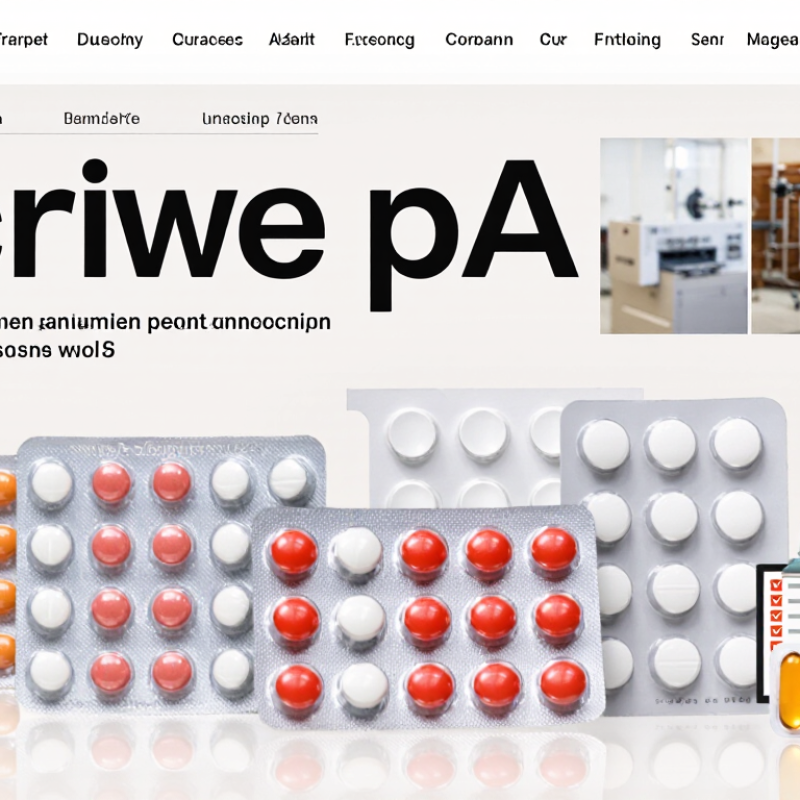
Understanding Supplement Blister Packaging and Buyer Needs in 2026
Supplement blister packaging separates each tablet or capsule into an individual cavity. Buyers should assess the product before choosing materials. A moisture-sensitive tablet may need a stronger barrier than a stable capsule. Consider the foil seal, cavity depth, pack size, and how easily users can open each dose. Small details matter.
Market reports offer useful context, though they do not predict a buyer’s exact needs. Grand View Research estimated the global dietary supplements market at $192.65 billion in 2024 and projected a 9.1% compound annual growth rate from 2025 to 2030. Mordor Intelligence valued the broader blister packaging market at about $27.07 billion in 2024, forecasting 6.13% annual growth through 2029. These figures point to expanding demand, not a guarantee for any individual product.
In practice, buyers should request samples and compare seal integrity, print legibility, and machine compatibility. Ask suppliers how they test barrier performance under expected storage conditions. A neat sample is not enough. Check whether production tolerances stay consistent across larger runs, too. That assumption can be wrong. Blisters can support portion control, but they may increase material use compared with some bottle formats. Weigh protection, convenience, cost, and packaging waste together before approving a design.
Supplement blister packaging is not one-size-fits-all. Buyers should match each cavity to the product’s shape, dose, and handling needs. Tablets and capsules often fit push-through cards, while peelable lidding can suit users who need easier access. Small packs matter.
Common formats include standard thermoformed blisters and cold-form packs. Thermoformed cavities can use PVC or higher-barrier structures such as PVC/PVDC, depending on the required protection. Cold-form aluminum laminate offers strong barriers to light and moisture, but it can limit product visibility and affect pack size. The choice is not always obvious.
Protection depends on the full pack, not just the cavity material. Seal quality, foil selection, and forming consistency all matter. For moisture-sensitive formulas, ask for water-vapor transmission data and packaging test results under relevant storage conditions. Request samples and inspect the seal, cavity fit, and ease of opening. A pack that looks secure may still be awkward to use. Trade-offs remain: stronger barriers can add cost or material, so buyers should compare performance with real product needs before selecting a format.
Supplement blister packaging providers typically support pack design, material selection, forming, sealing, printing, and cartoning. They may help buyers compare thermoformed plastic with aluminum-based cold-form materials, based on product sensitivity, shelf-life targets, and cost. Ask for samples using your actual tablets or capsules. A cavity that looks right on paper may still hold the product too tightly. Small details matter.
Services can also include seal checks, lot-code printing, visual inspection, and production trials. The Council for Responsible Nutrition’s 2024 Consumer Survey found that 75% of U.S. adults use dietary supplements, underscoring the scale of consumer demand. That figure does not determine a package specification, though. Buyers should request documented checks for seal integrity, readable codes, and consistent cavity dimensions. PMMI’s 2024 pharmaceutical and medical-device packaging trends report highlights automation and traceability as important industry concerns; supplement buyers can use those themes when assessing line controls. A smooth sample is not proof of reliable output. Ask how the provider handles changeovers, rejects, and small production runs, then review the records. Packaging choices involve trade-offs, and a lower-cost material may require closer testing.
| Service Area | Typical Service Scope | Common Options or Formats | Buyer Checks |
|---|---|---|---|
| Packaging design and format selection | Review of product dimensions, dose count, intended use, protection needs, and pack presentation before selecting a blister format. | Tablet or capsule cavities; single-dose or multi-dose layouts; carded or lidded blisters. | Ask for a documented design review and confirm that the proposed cavity fits the actual product. |
| Blister material selection | Selection of forming and lidding materials based on product compatibility, moisture and light sensitivity, machinery, and applicable packaging requirements. | Common structures include formed plastic film with foil lidding, or cold-form foil structures; specific choices depend on the product and pack design. | Request material specifications and evidence that the selected structure is appropriate for the product’s stability needs. |
| Blister forming and sealing | Forming cavities, placing tablets or capsules, applying lidding material, and sealing packs using controlled production processes. | Thermoformed or cold-formed blisters; pack size, cavity pattern, and sealing setup are project-specific. | Confirm line capabilities, product handling procedures, seal inspection methods, and how production changes are controlled. |
| Printing and pack identification | Application or coordination of printed information on lidding material, cards, cartons, or labels, as required for the market and product. | Artwork handling, batch or lot coding, date coding, and variable data printing where offered. | Review proof approval steps, code legibility, artwork revision controls, and responsibility for regulatory text. |
| Inspection and quality documentation | In-process and finished-pack checks, with records defined by the provider’s quality system and the agreed project requirements. | Examples may include visual checks, seal checks, count verification, and batch documentation; exact controls vary by facility and contract. | Request the inspection plan, sample records, acceptance criteria, and details of nonconformance handling. |
| Cartoning and secondary packaging | Packing blister cards or strips into cartons and coordinating inserts, labels, or other agreed components. | Manual or automated collation; carton configuration and included components depend on the order. | Confirm pack-out specifications, component reconciliation, and whether secondary packaging is performed in-house or by a subcontractor. |
| Packaging trials and scale-up | Evaluation of product handling, material performance, and pack setup before routine production, when available and agreed. | Engineering samples, line trials, and production-scale runs may be offered subject to equipment and project scope. | Clarify sample quantities, trial criteria, timelines, and whether trial materials or setup fees are charged separately. |
| Storage and logistics coordination | Coordination of incoming materials, finished goods, and shipment arrangements according to the agreed service scope. | Material staging, finished-goods storage, and shipment preparation may be available; conditions and responsibilities vary. | Confirm storage conditions, inventory reporting, shipping responsibilities, and who manages transport documentation. |
Service availability, material suitability, quality controls, and regulatory responsibilities vary by provider, product, destination market, and contract. Buyers should verify specifications and responsibilities directly before placing an order.
For supplement blister packaging, a polished sample is not proof of a reliable supplier. Grand View Research estimated the global blister packaging market at about USD 27.8 billion in 2023, with projected growth through 2030. That expansion makes capacity checks practical, not merely commercial. Ask for documented line speeds, shift patterns, maintenance records, and recent delivery performance. Then compare those figures with your forecast, including seasonal peaks. A fast line can still become a bottleneck.
Quality evidence should be specific. Review batch records, incoming-material checks, seal-integrity testing, and procedures for handling deviations. For dietary supplements in the United States, FDA 21 CFR Part 111 sets current good manufacturing practice requirements; confirm how the supplier’s controls support your own obligations. Request an audit summary and verify that corrective actions were closed, not just promised. Small details matter: inspect tablet pockets, foil seals, print legibility, and carton counts. Ask how samples are retained and complaints traced.
Compliance needs to match the product and destination market. Check material specifications and request supporting test documents for films, foils, and inks. Where relevant, review change-control rules, traceability, and subcontractor oversight. Capacity deserves a stress test: ask what happens if a sealing machine fails or a key material arrives late. Get realistic lead times in writing. One uncomfortable question helps: when did a recent delivery miss plan, and what changed afterward? No supplier is flawless. Honest records are more useful than perfect-sounding claims.
Compare what each quote includes, not just its unit price. Tooling, printed foil, setup, inspection, and freight may be listed separately. For a small pilot run, these charges can outweigh the per-card cost. Ask for a line-item estimate.
Lead times vary with material availability, artwork approval, tooling, and order volume. Ask providers to separate sample, production, and shipping dates. A dated schedule is more useful than “fast turnaround.” That matters. If tablets need distinct cavities or a child-resistant format, confirm feasibility early; late changes can restart proofing or tooling.
Customization can include cavity size, foil printing, card dimensions, perforations, and pack counts. Share tablet dimensions and expected monthly volume before requesting prices. Then compare a standard design with a custom one; simpler tooling may reduce cost and shorten launch time. Request physical samples and inspect seal consistency, readability, and how easily each cavity opens. Teams sometimes over-specify finishes. I would revisit that choice after handling a sample, because attractive packaging is not automatically practical.
Directional comparison of common service models—not supplier-specific quotes or a verified market survey.
How to read: Scores are illustrative planning estimates on a 1–5 scale. Higher cost and lead-time scores indicate greater cost or a longer timeline; higher customization scores indicate more flexibility. Actual costs and schedules depend on order volume, materials, tooling, artwork, and quality requirements. Request current quotes before purchasing.
A sample shows appearance, not reliable production. Check line speeds, maintenance records, and recent delivery performance. Looks can mislead.
Ask about shift patterns, output, and seasonal availability. Find out what happens if a sealing machine fails or foil arrives late.
Request batch records, incoming-material checks, seal tests, and deviation procedures. Inspect tablet pockets, foil seals, print clarity, and carton counts.
Check material specifications and supporting test documents for films, foils, and inks. Review traceability, change control, and subcontractor oversight where relevant.
Compare tooling, printed foil, setup, inspection, and freight—not only unit price. For small runs, these charges can add up quickly.
Ask for separate sample, production, and shipping dates. Get a dated schedule in writing. “Fast turnaround” is vague.
Share tablet dimensions and expected monthly volume. Discuss cavity size, foil printing, card dimensions, perforations, and pack counts early.
Compare a standard design with a custom one. Handle physical samples and check opening force, seal consistency, and readability. I might rethink decorative finishes after that.
Ask when a recent delivery missed its plan and what changed afterward. No supplier is flawless. Honest records matter more than polished claims.
In 2026, choosing the right Supplement Blister Packaging Services means matching the package to the product, the buyer’s requirements, and the intended production scale. Buyers can compare blister formats and materials based on product protection, ease of handling, shelf presentation, and storage needs. Providers may support the process with packaging design, material selection, sample development, production, and packing, helping buyers coordinate these steps efficiently.
A careful supplier evaluation should cover quality controls, relevant compliance practices, production capacity, communication, and consistency between samples and finished orders. Cost is important, but it should be considered alongside lead time, order size, customization options, and the provider’s ability to adapt as needs change. Comparing these factors helps buyers select a practical packaging solution that balances protection, presentation, reliability, and budget.