China has become a major sourcing destination for gummy supplement development, blending, and packaging. Yet choosing a reliable partner requires more than comparing factory photos or minimum order quantities.
This guide reviews ten China-based companies active in Gummy Supplement Contract Manufacturing. It focuses on practical evidence, including production experience, formulation support, ingredient traceability, testing capacity, packaging control, and documented quality systems. Facilities should demonstrate suitable GMP-based procedures, batch records, allergen controls, stability testing, and transparent communication.
Dr. Ralf Jäger, a sports nutrition scientist and contract manufacturing specialist, has stated, “Quality is the foundation of trust in dietary supplements.” That principle matters when a gummy must maintain its shape, flavor, potency, and microbiological safety during storage. A bright berry flavor means little if the active ingredient disperses unevenly.
Details matter.
The companies discussed here may serve different business models. Some support private-label launches, while others handle custom formulas, large-scale production, or export documentation. Their strengths may also vary by dosage format, sweetener system, tooling capability, and order volume.
No ranking is perfect. Supplier information changes, and public claims do not replace an audit. Buyers should request current certifications, recent test reports, sample batches, and clear corrective-action procedures before signing a manufacturing agreement. This overview is therefore a research starting point, not a substitute for technical due diligence, regulatory review, or direct factory verification.
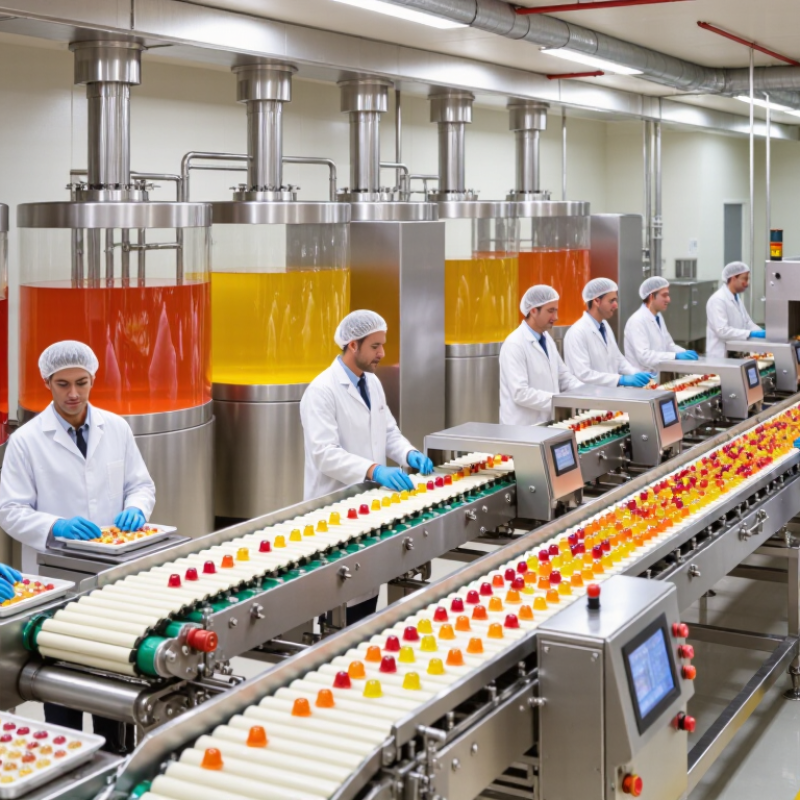
Gummy supplement contract manufacturing in China means hiring a specialized factory to develop, produce, test, and pack gummy supplements for another company. The customer usually provides a formula, target market, dosage, and packaging requirements. The manufacturer may handle ingredient sourcing, flavor trials, mold design, production, and final inspection. It is more than simply ordering finished candy.
A reliable factory should offer documented quality systems, trained technicians, and clear batch records. Ask for manufacturing certifications, ingredient specifications, allergen controls, and certificates of analysis. Independent testing may verify potency, microbiological safety, heavy metals, and stability. A production visit can reveal practical details, such as clean filling areas, calibrated scales, and labeled storage racks. These details matter.
The process often begins with a small pilot batch. Technicians check texture, sweetness, color, and weight consistency before larger production. Contracts should define ownership of formulas, testing responsibilities, rejected goods, delivery dates, and change approvals. A cheaper quotation can hide expensive rework. That happens.
Not every factory is equally strong in formulation or export documentation. Some can produce attractive samples but struggle with stable texture during humid shipping. Buyers should review several batches, not one successful sample. Local regulatory requirements also vary by destination, so qualified compliance support is valuable. Careful records build trust, but they do not replace physical quality checks.
Evaluating Chinese Gummy Supplement Manufacturers
Choosing a Chinese gummy supplement manufacturer requires more than comparing price lists. Review the facility’s production experience, quality systems, and communication habits. Ask for recent audit records, manufacturing licenses, GMP documentation, and product testing reports. A reliable supplier should explain each document clearly, not send a generic file.
Visit the factory when possible, or arrange a live video audit. Check whether production rooms look clean, organized, and properly separated. Look at mixing tanks, depositing lines, metal detectors, and finished-goods storage. Ask how ingredients are received, labeled, tested, and traced. A batch record should connect raw materials to the final carton. Small details matter.
Request samples from a pilot batch, not only polished marketing samples. Evaluate texture, taste, color consistency, weight variation, and packaging seals. Confirm testing for microbiological quality, heavy metals, allergens, and stability. Also discuss minimum order quantities, lead times, formulation ownership, and recall procedures. A factory may claim strong expertise, yet vague answers reveal weak controls. I once focused too heavily on certificates and overlooked slow corrective-action responses. That was a mistake. Certifications help, but daily discipline matters more.
Do not ignore communication. Can the technical team explain a failed test without hiding behind translation? Can they provide a realistic production schedule during busy seasons? Check references carefully, and compare documents across several batches. A low quotation may exclude testing, packaging, or necessary formulation work. Ask for a complete cost breakdown before approving development.
China’s top 10 gummy supplement contract manufacturing companies should be evaluated by evidence, not attractive catalogs. Strong manufacturers usually provide formulation support, pilot batches, stability testing, and clear production records. Their facilities should follow recognized food safety systems and maintain controlled areas for weighing, cooking, depositing, and packaging.
A capable factory can produce pectin or gelatin gummies with consistent texture, flavor, shape, and active dosage. Ask for recent certificates, batch-specific test reports, allergen controls, and heavy metal screening. Verify whether testing is performed internally or by an independent laboratory. This small detail can reveal weak quality management. It is also useful to inspect traceability from raw material arrival to finished cartons.
Commercial fit matters as much as technical skill. Review minimum order quantities, mold options, packaging formats, lead times, and export experience. A reliable partner explains formula limitations instead of promising everything. That honesty is valuable. However, a ranking of the top 10 gummy supplement contract manufacturing companies in China should remain flexible. Factory performance may change with staff, equipment, suppliers, or production schedules. Buyers should request samples, compare dissolution and sensory results, and confirm responsibilities in writing before signing. Local audits can expose practical issues that brochures never show.
Anonymous supplier comparison based on commonly published contract-manufacturing specifications and market-standard service ranges
| Rank | Anonymous Supplier Profile | Primary Manufacturing Region | Gummy Formats | Typical Minimum Order Quantity | Typical Development Lead Time | Typical Production Lead Time | Quality & Compliance Support | Testing Capabilities | Export & Documentation Support |
|---|---|---|---|---|---|---|---|---|---|
| 1 | Supplier Profile 01 | East China | PectinGelatinSugar-Free | 100,000–300,000 gummies per SKU | 4–8 weeks | 8–12 weeks after artwork approval | GMP-based production; HACCP-based food-safety controls; batch traceability | Microbiology, moisture, weight variation, active-ingredient verification through qualified laboratories | COA, specification sheets, ingredient documents, packing lists and commercial invoices |
| 2 | Supplier Profile 02 | South China | PectinVeganFruit Flavors | 150,000–500,000 gummies per SKU | 5–10 weeks | 8–14 weeks after formula confirmation | GMP and HACCP documentation; allergen-control procedures; supplier qualification | Microbial limits, heavy metals, stability checks and finished-product release testing | Label review support, export carton specifications and standard customs documentation |
| 3 | Supplier Profile 03 | Central China | GelatinMineral GummiesMultivitamins | 100,000–250,000 gummies per SKU | 4–7 weeks | 7–12 weeks after raw-material approval | Batch records, in-process controls, sanitation programs and traceability systems | Assay testing, microbial testing, physical inspection and packaging integrity checks | COA, product specifications, certificates of origin and shipping documentation |
| 4 | Supplier Profile 04 | East China | Sugar-FreeLow-SugarPectin | 200,000–500,000 gummies per SKU | 6–10 weeks | 9–14 weeks after pilot approval | HACCP-based food-safety plan; GMP operating procedures; complaint and recall procedures | Water activity, texture, microbial testing, active-content testing and shelf-life studies | Regulatory document packages tailored to destination-market requirements |
| 5 | Supplier Profile 05 | South China | GelatinBotanical BlendsCustom Shapes | 100,000–300,000 gummies per SKU | 5–9 weeks | 8–13 weeks after mold and formula approval | GMP-based controls; raw-material identity checks; documented change control | Microbiology, pesticide or contaminant screening where applicable, weight and appearance testing | Ingredient traceability records, COA packages and export packing support |
| 6 | Supplier Profile 06 | North China | PectinVitamin GummiesMineral Gummies | 150,000–400,000 gummies per SKU | 6–9 weeks | 8–14 weeks after final specification approval | HACCP-based controls; documented sanitation, pest control and allergen-management programs | Identity, potency, microbial, heavy-metal and stability testing through internal or external laboratories | COA, technical data sheets, batch records and standard export documents |
| 7 | Supplier Profile 07 | East China | VeganSugar-FreeFunctional Blends | 200,000–600,000 gummies per SKU | 6–12 weeks | 10–16 weeks after commercial formula approval | GMP and HACCP documentation; supplier audits; product-release procedures | Microbial limits, active-marker testing, water activity, texture and accelerated stability testing | Market-specific label and document review, export cartons and logistics coordination |
| 8 | Supplier Profile 08 | Southwest China | PectinFruit-BasedChildren's Formats | 100,000–300,000 gummies per SKU | 5–9 weeks | 8–13 weeks after sample sign-off | Food-safety management procedures; batch traceability; documented cleaning validation | Microbial, physical, sensory, weight and active-ingredient testing | COA, ingredient-origin records, packing specifications and customs paperwork |
| 9 | Supplier Profile 09 | Central China | GelatinPectinCustom Flavors | 100,000–250,000 gummies per SKU | 4–8 weeks | 7–12 weeks after production scheduling | GMP-based production; HACCP-based controls; documented nonconformance management | Microbiology, potency, moisture, appearance and packaging inspection | Standard export documentation, batch COA and product specification support |
| 10 | Supplier Profile 10 | East China | VeganLow-SugarBotanical Gummies | 150,000–400,000 gummies per SKU | 5–10 weeks | 9–15 weeks after formula, packaging and testing approval | HACCP-based food-safety controls; GMP procedures; documented recall readiness | Microbial, heavy-metal, active-content, stability and finished-product testing | Technical files, COA, batch traceability documents and destination-market export support |
When comparing China’s top gummy supplement contract manufacturers, review services beyond basic production. A capable partner should support formulation, flavor development, mold design, filling, packaging, and quality documentation. Ask whether nutritionists and food technologists can adjust texture, sweetness, color, and active dosage. Small pilot batches reveal important details, such as sticky surfaces, uneven shapes, or fading colors.
Production capability deserves close inspection. Check daily output, minimum order quantities, equipment capacity, and lead-time controls. Modern depositing lines can produce consistent shapes and weights, while automated packaging reduces handling errors. Request batch records, certificates of analysis, stability data, and testing procedures for raw materials and finished gummies. Independent testing may help verify potency, microbiological safety, heavy metal limits, and allergen controls.
Reliable manufacturers should operate under recognized food safety systems, with clear sanitation procedures and traceable supply chains. Their quality team should explain deviation handling without vague promises. Ask to inspect production areas, weighing rooms, metal detectors, and storage conditions. Communication also matters. A technically strong factory may still struggle with slow updates or unclear revision control. That is easy to underestimate. I would compare several samples, not just the most attractive one, because appearance alone cannot prove process reliability. Some suppliers may offer impressive customization but lack consistent scale-up experience. This gap needs careful questioning before a purchase decision.
When comparing China’s top 10 gummy supplement contract manufacturers, a ranking is only a starting point. The right partner must match your formula, serving size, target market, and production volume. Ask for current GMP certificates, facility licenses, audit reports, and documented quality procedures. Verify each document with the issuing authority when possible.
Ask for evidence. Request recent certificates of analysis for raw materials and finished gummies. Check identity, potency, microbiological limits, heavy metals, allergens, and stability data. A reliable manufacturer should explain testing methods and provide batch traceability from ingredient receipt to shipment. Review the production line in person or through a qualified third-party audit. Look for clean zoning, calibrated equipment, controlled storage, and clear records. Photos are useful, but they are not proof.
Before signing, order a pilot batch. Compare taste, texture, weight variation, packaging accuracy, and laboratory results against approved specifications. Confirm minimum order quantities, lead times, formula ownership, confidentiality, recall support, and procedures for handling deviations. Speak with recent customers, but remember that references may show only the best experience. I have found that slow, precise answers often reveal more than polished presentations. Some factories may promise flexible customization, yet struggle with small changes. Test the process. Keep written approval records, and use an independent laboratory for critical verification. No partner is perfect, including one that looks impressive during a single visit.
Recommended evaluation weighting based on core supplement manufacturing requirements, including U.S. dietary supplement cGMP compliance under 21 CFR Part 111, quality systems, testing, production capability, and commercial execution. The percentages are evaluation criteria, not company or brand performance data.
Verify each criterion through current certifications, audit reports, batch documentation, laboratory records, product samples, and written service agreements before selecting a manufacturing partner.
Request current GMP certificates, facility licenses, audit reports, and product testing records.
Arrange a factory visit or live video audit.
Ask how ingredients are received, labeled, tested, and stored.
A pilot batch shows real production performance, not only presentation quality.
Discuss microbiological testing, heavy metals, allergens, potency, and stability.
Confirm minimum order quantities, lead times, formulation ownership, confidentiality, and recall procedures.
Ask the technical team to explain failed tests and production delays clearly.
Speak with recent customers and compare documents across several batches.
This guide explores Gummy Supplement Contract Manufacturing in China, explaining how specialized manufacturers help brands develop, produce, package, and scale gummy-based dietary supplements. It outlines the typical manufacturing process, from formula development and ingredient sourcing to mixing, molding, drying, quality testing, packaging, and shipment preparation. The article also explains why production standards, facility capabilities, communication, and documentation are important when evaluating potential partners.
A practical comparison of the top 10 gummy supplement contract manufacturing companies in China focuses on factors such as product development support, production capacity, certifications, quality control systems, customization options, minimum order quantities, lead times, and packaging services. Readers will also learn how to verify a manufacturer through sample testing, facility reviews, business documentation, audit reports, and clear commercial agreements. The final section provides a structured approach for selecting a reliable partner that can deliver consistent quality, regulatory-ready products, and dependable long-term cooperation.