0%

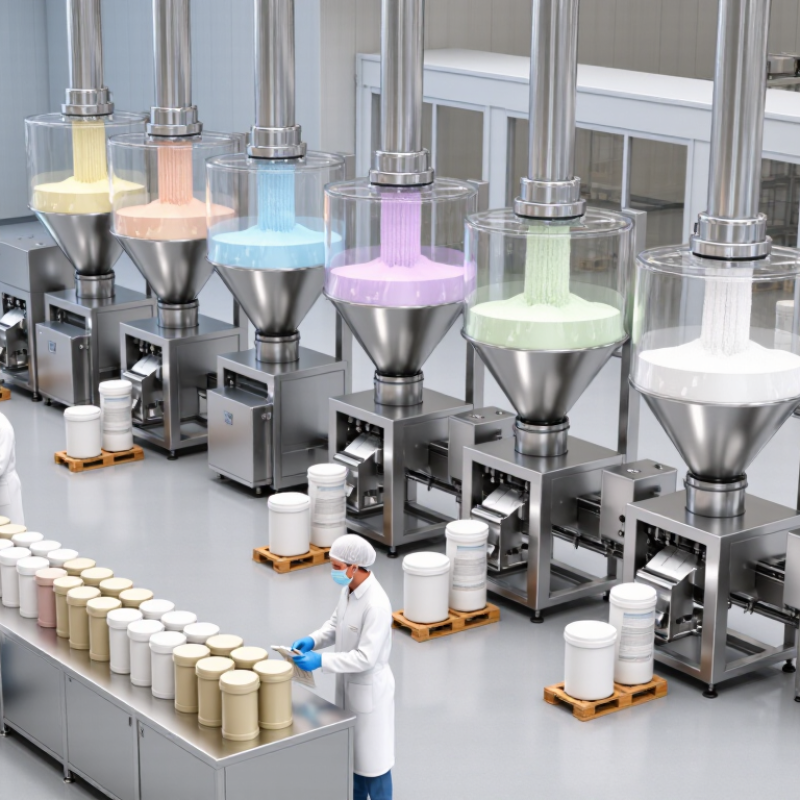
Powder Supplement OEM Manufacturing has become a practical route for brands entering a crowded nutrition market. It allows a company to develop products through an experienced manufacturer, rather than building its own blending and packing facility. The manufacturer may manage ingredient sourcing, formula development, mixing, testing, filling, labeling, and batch documentation. Picture a production room where measured powders move through stainless-steel equipment before entering sealed sachets or tubs.

The commercial opportunity is substantial. Grand View Research reported that the global dietary supplements market was valued at approximately USD 177.5 billion in 2023. Its analysis also projects continued growth through 2030, supported by preventive health, sports nutrition, and convenient product formats. The Nutrition Business Journal has similarly tracked strong supplement sales in the United States. These figures explain why powdered products attract new brands. They do not guarantee success.

OEM production is more than selecting a flavor from a catalog. Brands must evaluate supplier qualifications, allergen controls, identity testing, stability evidence, and production traceability. In the United States, the FDA states that supplement manufacturers are responsible for product safety and truthful labeling. The agency also emphasizes current Good Manufacturing Practices under 21 CFR Part 111. Requirements differ across markets, so professional regulatory review remains essential.

Details matter.

A reliable partner should provide clear certificates, realistic lead times, and documented quality procedures. Formula ownership and change-control terms also need careful review. A low quotation may hide testing gaps or weak communication. That is an uncomfortable possibility, but it deserves attention. Powder Supplement OEM Manufacturing can shorten the path from concept to shelf, yet disciplined verification separates a credible launch from an expensive mistake.
What Is Powder Supplement OEM Manufacturing?

Definition and Scope of Powder Supplement OEM Manufacturing

Powder supplement OEM manufacturing means producing powdered nutritional products according to another company’s formula, specifications, and market requirements. Its scope extends beyond mixing ingredients. A qualified manufacturer may support formulation, raw material sourcing, blending, filling, packaging, laboratory testing, and production records. Every batch should follow controlled procedures, with identity, purity, moisture, and microbial checks where appropriate. Clear documentation helps clients evaluate consistency and traceability.

The process often begins with a product brief. This may define serving size, flavor, solubility, texture, packaging format, and target users. Technicians then assess ingredient compatibility and manufacturing limits. A powder can look attractive in a sample jar but dissolve poorly in cold water. That detail matters. Stability studies, equipment trials, and retained samples can reveal weaknesses before commercial production. Still, no production plan is flawless. A specification may be incomplete, or a supplier’s material may vary slightly. Experienced teams review these risks instead of hiding them.

Tips: Request a written manufacturing scope before signing an agreement. Ask how suppliers verify incoming materials and release finished batches. Review certificates, test methods, allergen controls, and storage conditions. Confirm who manages label review and regulatory checks for each selling market. Keep communication practical. Small details, such as a humid warehouse or an unsuitable scoop, can affect the customer’s experience.cynnwys

How the Powder Supplement OEM Process Works

What Is Powder Supplement OEM Manufacturing?

How the Powder Supplement OEM Process Works

Powder supplement OEM manufacturing turns a product concept into a measured, packaged powder. An experienced manufacturer begins by reviewing the formula, target users, serving size, flavor, and packaging needs. That conversation matters. A practical team also checks ingredient documentation, allergen risks, regional requirements, and realistic production limits.

The process usually starts with formula development or adjustment. Technicians select suitable powders, then test their solubility, taste, flow, and compatibility. Some ingredients absorb moisture quickly, so humidity control becomes essential. A small pilot batch can reveal problems before full production begins. It may show clumping, weak flavor, or inaccurate filling. A first formula is rarely final.

After approval, qualified suppliers provide raw materials with identity and quality records. The manufacturer weighs each ingredient according to controlled batch instructions. Mixing time, equipment cleanliness, and particle size can affect uniformity. Samples are tested during production and after blending. Common checks include appearance, weight variation, microbial quality, and confirmation of required specifications.

Packaging follows once the powder passes quality review. Operators check seal integrity, label information, lot codes, and best-before details. Retention samples may support future investigations. The process is controlled, not flawless. Records should make every decision traceable, although occasional delays or reformulation may still occur. Clear communication helps correct these issues before shipment.

What Is Powder Supplement OEM Manufacturing? - How the Powder Supplement OEM Process Works

Process Stage Main Activities Key Inputs and Documents Typical Quality Controls Expected Output
1. Product Brief Define the product purpose, serving format, target users, flavor profile, packaging format, and intended market. Product specification, target serving size, ingredient preferences, allergen requirements, and regulatory market. Feasibility review, ingredient suitability review, and preliminary regulatory assessment. Approved product development brief.
2. Formula Development Select ingredients and establish quantities, processing characteristics, flavor system, sweetener system, and serving instructions. Ingredient specifications, supplier documentation, reference formulas, and nutritional targets. Compatibility, solubility, sensory, allergen, and stability considerations. Draft formula and manufacturing instructions.
3. Ingredient Qualification Review and approve raw materials before they enter production. Certificates of analysis, specifications, allergen statements, origin information, and applicable safety documentation. Identity testing, visual inspection, lot verification, and testing against approved specifications. Released raw materials with traceable lot records.
4. Pilot Batch and Sampling Produce a small-scale batch to confirm mixing behavior, flavor, color, flow, serving size, and packaging suitability. Approved draft formula, batch record, equipment settings, and packaging samples. Uniformity checks, sensory evaluation, moisture or water-activity assessment where appropriate, and fill-weight checks. Pilot sample and documented process adjustments.
5. Formula and Artwork Approval Finalize the formula, serving directions, ingredient declaration, allergen information, nutrition facts, claims, and packaging artwork. Final specification, approved sample, label text, packaging dimensions, and market-specific requirements. Label review, claim substantiation review, barcode verification, and proof approval. Signed-off formula and production-ready artwork.
6. Weighing and Pre-Processing Dispense each ingredient according to the batch record and prepare materials for blending. Released ingredients, calibrated scales, approved batch record, and designated production area. Double-checks, line clearance, equipment sanitation, lot traceability, and weight verification. Correctly weighed ingredient components.
7. Blending Combine powders using a validated blending sequence and time to achieve an even distribution of ingredients. Weighed ingredients, blending instructions, equipment settings, and batch identification. Blend uniformity, appearance, odor, flow characteristics, and in-process weight checks. Homogeneous powder blend ready for filling.
8. Filling and Packaging Fill the powder into jars, pouches, sachets, tubs, or other approved containers, then apply closures and labels. Approved packaging components, fill-weight target, label artwork, lot-code format, and best-before requirements. Fill-weight checks, seal or closure inspection, label placement, coding accuracy, and packaging integrity. Packaged and coded finished product.
9. Finished-Product Testing Evaluate the finished batch against the approved product specification before release. Finished-product samples, specification sheet, sampling plan, and laboratory methods. Microbiological testing and other applicable tests, such as identity, potency, moisture, or contaminant testing. Test results and batch quality documentation.
10. Quality Release Review manufacturing records, test results, deviations, and packaging checks before authorizing distribution. Completed batch record, laboratory results, packaging reconciliation, and deviation or corrective-action records if applicable. Quality-unit review, specification compliance, traceability verification, and release authorization. Released batch with supporting documentation.
11. Storage and Distribution Store and ship the finished product under conditions suitable for maintaining quality and package integrity. Release status, storage requirements, pallet records, shipping documents, and inventory details. Warehouse controls, stock rotation, shipment inspection, and ongoing traceability. Traceable inventory ready for delivery.
OEM manufacturing overview: A powder supplement OEM partner typically supports product development, ingredient sourcing, blending, packaging, quality testing, documentation, and fulfillment according to an agreed product specification and applicable food or dietary-supplement requirements.

Key Services Provided by OEM Manufacturers

Powder supplement OEM manufacturing means an experienced manufacturer develops and produces powdered products for another company. The service usually begins with ingredient selection and formula development. Experts review solubility, flavor, dosage, and intended use. A practical formula must mix evenly in a glass, not only look good on paper. A perfect first formula is uncommon. Small revisions are normal.

Key services include raw material sourcing, pilot batching, quality testing, and large-scale production. Manufacturers may test identity, microbiological safety, heavy metals, moisture, and active ingredient levels. They should also maintain batch records and provide certificates of analysis when appropriate. Packaging support can include sachets, tubs, labels, and filling specifications. Reliable facilities control humidity because powder can absorb moisture and form hard lumps. That detail matters.

Tips: Ask for a clear development timeline, sample approval process, and testing plan. Confirm how changes are documented before production starts. Review storage conditions and shelf-life evidence, not just attractive packaging. It is also wise to inspect communication habits. Delayed answers can become expensive production problems. Compliance requirements differ by market, so qualified regulatory review remains important. Cost should be evaluated with testing, packaging, minimum order quantities, and revision fees included. A low quotation may hide missing services.

What Is Powder Supplement OEM Manufacturing?

OEM manufacturers typically support the complete powder supplement development cycle, from formula design and sample preparation to quality testing, bulk production, packaging, and regulatory documentation. The chart shows an indicative timeline for each major service stage; actual timing depends on formula complexity, testing requirements, order volume, and packaging specifications.

Ingredients, Formulation, and Product Customization

Powder supplement OEM manufacturing turns a product concept into a tested, packaged formula. Ingredients, formulation, and customization determine its quality. Grand View Research valued the global dietary supplements market at approximately USD 177.5 billion in 2023. That scale raises buyer expectations. They want clear sourcing, consistent texture, and evidence behind every claim.

Ingredient selection begins with identity, purity, allergen status, and supply reliability. A certificate of analysis helps, but it is not absolute proof. Independent testing should verify contaminants, potency, and microbial safety. The Council for Responsible Nutrition reported that 74% of U.S. adults used dietary supplements in 2023. Trust matters. Yet, consumers may not understand technical labels, creating a communication risk.

Formulation engineers then balance solubility, flavor, dosage, flowability, and stability. Protein powders, mineral blends, and botanical formulas behave differently in a mixing tank. Small changes matter. A hygroscopic ingredient can create clumps during storage.

Customization may include flavor, sweetener, serving size, color, sachets, tubs, and label language. Stability testing under heat and humidity can expose weak packaging before launch. Still, no laboratory model perfectly mirrors every household. That limitation deserves honest review. OEM partners should document batch records, traceability, validation steps, and current good manufacturing practice controls before production.

Quality Control, Compliance, Packaging, and Delivery

Powder supplement OEM manufacturing turns a formula into a controlled, repeatable product. The work starts before blending. Technical teams review ingredient specifications, allergen risks, moisture sensitivity, and target serving size. Each incoming material should be sampled against approved standards. Identity testing, microbial checks, and contaminant screening help confirm suitability. Results belong in traceable batch records, not only in email attachments. Experience matters here, because powders can bridge, clump, or separate during processing. Small changes in humidity may affect fill weight. A perfect-looking blend is not automatically a consistent one.

Compliance depends on the destination market and the product category. Manufacturing teams should verify permitted ingredients, dosage limits, claims, warnings, and required label information before production. Quality staff can review supplier documents, sanitation records, calibration logs, and finished-product test reports. Independent testing may strengthen confidence, especially when risk assessment identifies sensitive materials. Still, paperwork alone is not proof of quality. An audit can miss a weak handoff. That is an uncomfortable but useful reminder.

Packaging protects the powder from moisture, light, oxygen, and rough handling. Teams may evaluate container barriers, seal integrity, scoop fit, lot coding, and tamper evidence. A stability study can reveal caking or flavor changes before release. Delivery planning should match production capacity, testing time, storage conditions, and shipping routes. Clear release criteria prevent rushed dispatches. Delays happen. Honest communication is safer than promising an unrealistic date. Reliable OEM manufacturing depends on documented controls, trained operators, and measurable checks at every transfer point.

FAQS

What does powder supplement OEM manufacturing include?

It can include formulation, ingredient sourcing, blending, filling, packaging, testing, and production records.

How does the manufacturing process usually begin?

It begins with a product brief covering serving size, flavor, texture, solubility, packaging, and target users.

Why are pilot batches useful?

Pilot batches can reveal clumping, weak flavor, poor flow, or inaccurate filling.

How are raw materials checked?

Suppliers should provide identity and quality records for incoming materials.

What can affect powder consistency?

Mixing time, particle size, humidity, equipment cleanliness, and ingredient variation can affect uniformity.

What quality checks happen before release?

Teams may review appearance, weight variation, microbial results, specifications, seal integrity, lot codes, and best-before details.

How should packaging protect powdered products?

Packaging should help block moisture, light, oxygen, and rough handling.

How can companies manage compliance and delivery risks?

Teams should review permitted ingredients, dosage limits, claims, warnings, labels, and destination-market requirements.

Conclusion

Powder Supplement OEM Manufacturing is a service model in which a specialized manufacturer develops and produces powdered dietary supplements for another company. The process can cover product planning, ingredient selection, formula development, testing, production, packaging, and delivery. Instead of building its own manufacturing facilities, a company can work with an OEM partner to turn a product concept into a finished powder supplement according to agreed specifications.

The process typically begins with requirements analysis and formulation design, followed by ingredient sourcing, sample development, and product customization such as flavor, texture, serving size, and packaging format. OEM manufacturers may also provide blending, filling, labeling support, batch testing, and production documentation. Strong quality control is essential throughout the process, including raw material verification, hygiene management, stability evaluation, and finished-product inspection. Compliance considerations, accurate labeling, suitable packaging, and reliable logistics help ensure that products are consistently produced and delivered in a safe, efficient, and market-ready condition.


Amelia

Amelia

Amelia is a skilled marketing professional with a deep understanding of the company’s products, customers, and industry landscape. With a strong ability to translate complex product features into clear, valuable insights, she regularly contributes professional blog articles to the company website,......