Manufactured under strict Health Canada Site License and cGMP specifications. Click below to request comprehensive product catalogs and technical specifications.
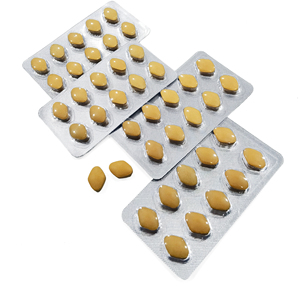
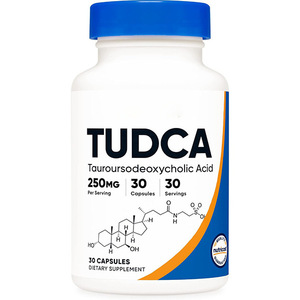
In the modern international nutraceutical market, securing **CE Certified Supplement Packaging** represents far more than a mere mark of European conformity; it is the definitive benchmark of structural safety, environmental integrity, consumer safety, and standardized material compliance across worldwide export channels. As brand owners navigate increasing scrutiny from international regulatory bodies—including Health Canada, the U.S. Food and Drug Administration (FDA), and European Food Safety Authority (EFSA)—selecting a fully verified contract manufacturer and packaging exporter becomes the single most crucial operational decision for brand longevity.
NutraLab Canada Corp., operating from a Health Canada site-licensed facility located at 980 Tapscott Rd, Scarborough, Ontario, brings over 25 years of specialized experience in supplement formulation, encapsulation, and advanced high-barrier packaging engineering. By bridging rigorous North American pharmaceutical standards with stringent European Union (EU) Directives, our facility delivers end-to-end OEM/ODM packaging solutions designed to eliminate micro-leakage, safeguard ingredient bioactivity, and ensure seamless customs clearance in over 35 global destinations.
When sourcing custom packaging solutions for dietary supplements, vitamins, and sports nutrition powders, procurement managers must audit manufacturers against a complex matrix of international standards:
Eliminating multi-vendor friction by housing formulation, encapsulation, and primary/secondary packaging under one single batch record.
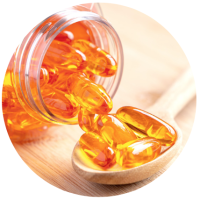
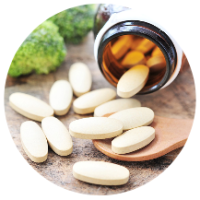
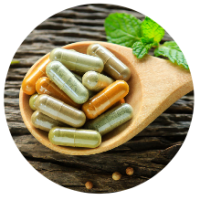

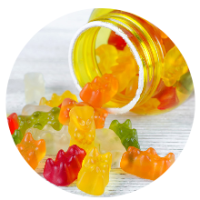
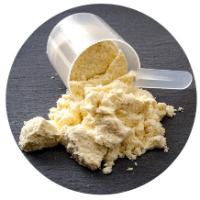
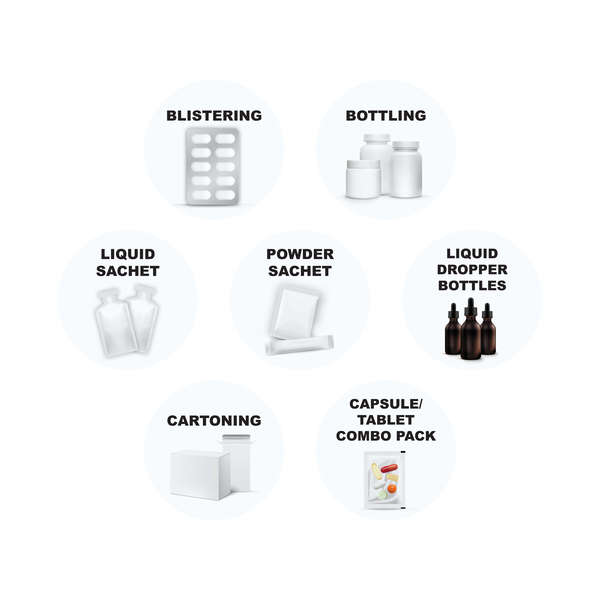
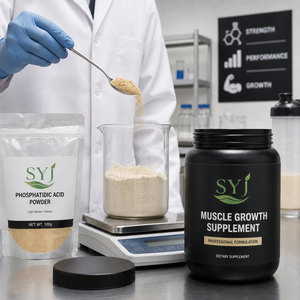
Consolidating bulk manufacturing with finished packaging prevents the severe degradation risks associated with transferring unpackaged bulk softgels, tablets, or powders between secondary facilities. In our temperature- and humidity-controlled cleanrooms, bulk product moves immediately into validated packaging lines.
Selecting the correct barrier technology requires balancing product moisture sensitivity, oxidation vulnerability, UV protection, and target shelf life:
| Packaging Format | Primary Barrier Material | Moisture Protection (MVTR) | Oxygen Protection (OTR) | Ideal Application / Actives |
|---|---|---|---|---|
| Cold-Form ALU-ALU Blister | Aluminum / OPA / Aluminum Foil | Superior (< 0.005 g/m²/day) | Superior (< 0.005 cc/m²/day) | Hygroscopic botanical extracts, Probiotics, Effervescent tablets |
| Thermoform PVC / PVDC | Polyvinyl Chloride + PVDC Coating | High to Medium | Moderate to High | Standard vitamin tablets, hard gelatin/veggie capsules |
| HDPE Bottle + Induction Seal | High-Density Polyethylene + Aluminum Seal | High | Moderate | Bulk multivitamins, softgels (Fish Oil, CoQ10, Vitamin D3) |
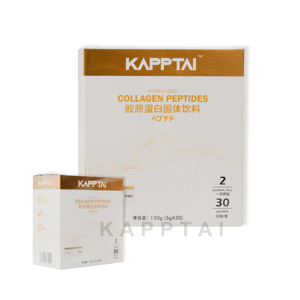
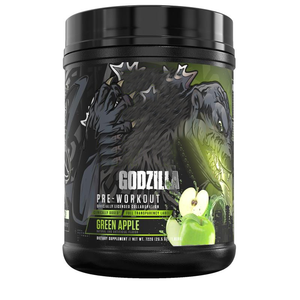
| 4-Side Seal Foil Sachet | PET / Aluminum Foil / PE Film | Superior | Superior | Pre-workout powders, Collagen peptides, Electrolyte mixes |
How global ESG mandates, smart serialization, and advanced polymer science are transforming contract manufacturing strategy over the next decade.
EU packaging directives are mandating 100% recyclable or compostable materials by 2030. Forward-thinking buyers are transitioning from multi-layer laminates to Mono-PP sachets and PCR (Post-Consumer Recycled) PET bottles to reduce carbon footprints without compromising shelf-life stability.
Integration of active desiccant film linings directly into bottle caps and blister cavities is replacing traditional loose silica gel sachets. This innovation ensures zero accidental consumer ingestion while maintaining sub-3% humidity inside unit doses.
Pharmaceutical-grade 2D DataMatrix barcode printing and invisible UV inks applied during primary packaging allow brand owners to track individual units through international customs, verifying genuine product provenance and preventing grey-market diversion.
Every commercial batch executed at NutraLab Canada strictly adheres to a transparent, 6-stage quality-assured process timeline.
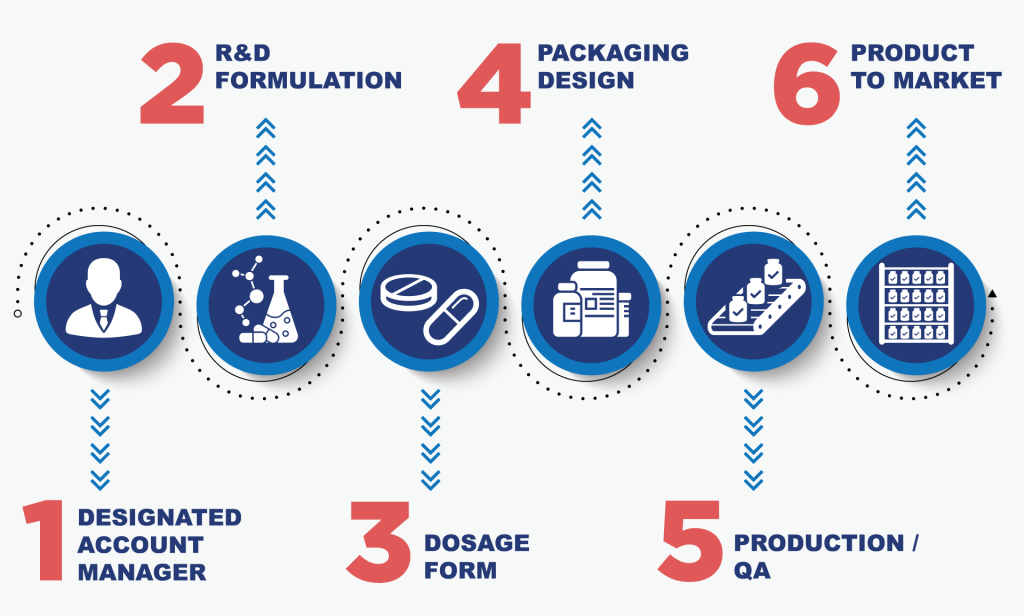
Analyzing target demographic, regulatory claim limits (Health Canada NPN, EFSA, FDA), target landed cost, and primary packaging barrier specifications.
Custom active ingredient blending, excipient selection, particle size optimization, and raw material qualification with raw CoA validation.
Filing NPN dossiers with Health Canada, conducting label claim audits, and preparing CE certification compliance documentation packages.
Pre-production dieline verification, pilot scale batch stability trials, die-cutting, and humidity-chamber seal integrity testing.
Cleanroom encapsulation (softgel, hard cap, tablet, powder blending) with continuous line vision checks and weight variation monitoring.
Bottling, blister seal validation, outer cartoning, issuing signed finished Certificates of Analysis (CoA), and export customs clearance.
In the contract manufacturing sector, price per unit is secondary to product reliability, batch-to-batch repeatability, and verifiable regulatory backing. Over 25 years, NutraLab has empowered more than 500 nutraceutical brands across 35 countries to enter international retail channels seamlessly.
Essential answers for brand directors, supply chain managers, and international importers evaluating contract manufacturing partners.
When importing dietary supplements into the EU, packaging materials must comply with EU Regulation (EC) No 1935/2004 for food contact materials, CE standards where child-resistant mechanisms are claimed, and heavy-metal/chemical purity standards under REACH. Furthermore, the contract manufacturer must supply a Certificate of Analysis (CoA) and proof of cGMP compliance.
We utilize customized high-barrier packaging formats, including Cold-Form ALU-ALU blister packaging, opaque high-density polyethylene (HDPE) bottles, and multi-layer aluminum foil sachets. In-line automated leak detectors and induction seals guarantee atmospheric oxygen and ambient humidity cannot degrade sensitive actives like probiotics, vitamin C, or omega-3 oils.
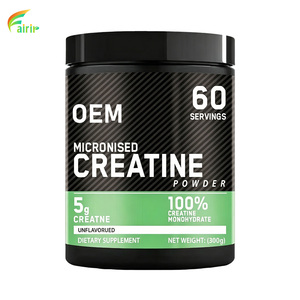
MOQs depend heavily on the chosen dosage form and packaging configuration. Standard tablet or capsule bottling runs start at lower thresholds than custom softgels or specialized gummy production lines, which require larger minimum batch volumes to maintain dose uniformity. Contact our sales engineers to receive specific MOQ breakdowns tailored to your custom formula.
Yes. Our dedicated in-house regulatory affairs team manages full NPN dossier submissions with Health Canada, conducts complete label claim compliance reviews, and prepares all necessary export documentation, including Certificates of Free Sale (CFS) required by foreign health authorities.
Manufacturing bulk dosage forms at one facility and shipping them unpackaged to a third-party packaging plant exposes vulnerable softgels, tablets, and powders to temperature fluctuations, mechanical damage, humidity, and micro-contamination. Single-site execution ensures your product stays in a controlled cleanroom environment until sealed in its final container under one unified batch record.