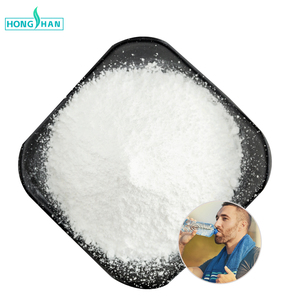
Explore our core export-grade nutraceutical powders, dietary supplements, and specialized pharmaceutical-grade raw ingredient blends engineered for maximum dissolution and potency.
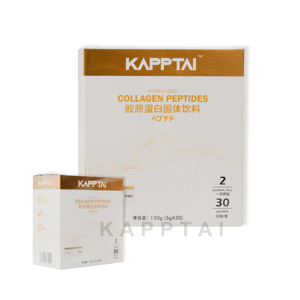
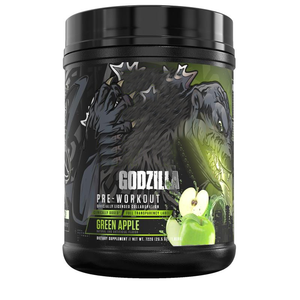
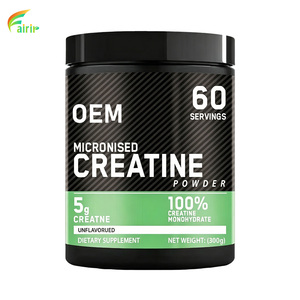
As a premiere China Best Powder Blending Manufacturer & Supplier, our enterprise operates state-of-the-art cGMP (Current Good Manufacturing Practice) compliant cleanroom facilities optimized for high-capacity, low-variability solid-dose processing. Modern nutraceutical and pharmaceutical powder blending requires far more than basic mechanical agitation; it demands rigorous control over fluid dynamics, particle morphology, bulk density calibration, ambient humidity, and electrostatic cross-contamination prevention.
Whether formulating complex multi-ingredient pre-workout matrixes, delicate marine collagen peptides, or micro-dosed bioactive plant extracts like Shilajit and Maca, our processing architecture delivers certified homogeneity across massive commercial lot sizes. Backed by 25 years of contract manufacturing leadership and export validation across 35 international regulatory jurisdictions (including Health Canada site licensing standards, US FDA facility registrations, and European CE compliance), we offer end-to-end technical execution from raw material verification to retail-ready sachet and tub packaging.
In high-density nutritional powder blends, ingredients frequently exhibit vast disparities in bulk density (ranging from 0.3 g/mL to 0.85 g/mL) and particle sizes (mesh 40 to mesh 300). Standard ribbon mixers often induce particle segregation or agglomeration. Our facility utilizes advanced 3D tumbling cone blenders and high-shear pneumatic fluid-bed systems, maintaining a Coefficient of Variation (CV) under 1.5% across all batch sampling points.
Precision manufacturing of bulk botanical extracts, amino acids, and sports nutrition complexes mandates strict adherence to physical chemistry principles. When compounding ingredients such as Creatine Monohydrate, Marine Collagen Peptides, Phosphatidic Acid, or TUDCA, improper sequence mixing can result in batch stratification, variable dosing, and compromised shelf-life stability.
Our engineering matrix implements a multi-phase quality protocol to eliminate physical and chemical inconsistencies:
| Blending Technology | Mixing Mechanism | Optimal Material Compatibility | Homogeneity CV Rate |
|---|---|---|---|
| 3D Tumbling Cone Blender | Multi-axis rotation & inversion | Fragile peptides, high-value extracts, shear-sensitive powders | < 1.2% |
| Double-Ribbon Agitator | Counter-current helical fluidization | High-volume protein powders, pre-workout matrices, bulk amino acids | < 1.8% |
| High-Shear V-Blender | Intensifier bar shear + split blending | Hygroscopic botanical extracts, lipid-coated powders, flavor oils | < 1.5% |
| Fluid-Bed Granulator | Pneumatic suspension & spray agglom. | Instantized powders, soluble beverage premixes, direct-compress granules | < 1.0% |
As a specialized OEM/ODM supplier, our contract blending suite covers a broad spectrum of high-demand nutraceutical categories. Below is an engineering overview of key product matrices manufactured within our facility:
Hydrolyzed marine collagen peptides require precise molecular weight distribution control (< 3,000 Daltons) to ensure maximum human bioavailability and immediate cold-water solubility. Our processing ensures odor-neutral, low-turbidity dissolution profile with complete Halal, Kosher, and GMP documentation.
Combining hygroscopic compounds (such as L-Citrulline Malate, Beta-Alanine, and anhydrous Caffeine) with delicate flavor systems presents severe moisture absorption challenges. We apply micro-encapsulation and humidity-controlled ribbon blending to preserve free-flowing powder integrity in custom tub or stickpack formats.
Sourced at 99.9% purity with strict mesh 200 micronization. Laboratory validation verifies complete absence of contaminants including Dicyandiamide (DCD), Dihydrotriazine (DHT), and heavy metals. Formulated as unflavored bulk powder or custom-flavored direct-to-consumer SKUs.
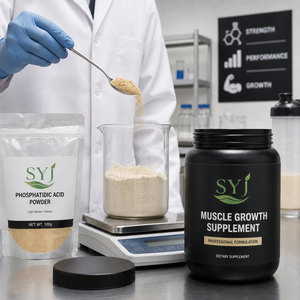
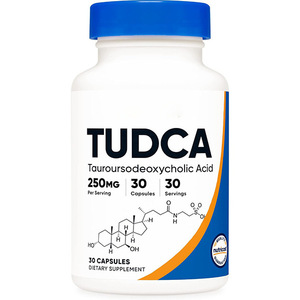
Targeted organ-support and anabolic lipid compounds like Tauroursodeoxycholic Acid (TUDCA 250mg/500mg) and Phosphatidic Acid 50% require analytical HPLC testing to guarantee labeled active yield per dose, preventing thermal degradation during processing.
The global contract powder blending landscape is experiencing a structural evolution driven by shifting consumer standards, tighter international regulatory scrutiny, and technological automation. B2B procurement managers and brand owners must align their supply chains with these pivotal market trends:
Selecting an OEM powder blending partner requires careful evaluation of technical capabilities. The table below outlines how modern advanced contract blending compares against conventional standard mixing operations:
| Evaluation Parameter | Conventional Powder Mixing | Our Advanced OEM Powder Facility |
|---|---|---|
| Environmental Relative Humidity | Uncontrolled ambient (RH 50%-75%) | HVAC Controlled Cleanrooms (RH < 40%) |
| Batch Homogeneity Testing | Single top/bottom sample check | 10-Point Stratified Core Sampling (CV < 1.5%) |
| Cross-Contamination Protocol | Manual equipment washdown | Clean-in-Place (CIP) & Dedicated Production Bay |
| Analytical Testing Scope | Basic wet chemistry titration | In-House HPLC, ICP-MS, Micro Assay & FTIR Identity |
| Regulatory Support Package | Basic Commercial Invoice | NPN, CoA, Free Sale Cert & GMP Audit Records |
Find detailed technical answers regarding minimum order quantities, custom formulation timelines, quality compliance, and packaging logistics.
Minimum order quantities depend directly on the dosage format and packaging selection. For stock bulk powder blending, MOQs start as low as 100 kg. For custom-formulated finished goods packaged in plastic tubs, MOQs typically range from 1,000 to 3,000 units. High-speed custom single-serve powder sachets or stickpacks require an initial production run of 30,000 to 50,000 sachets to optimize high-speed line calibration and minimize film waste.
Cross-contamination is prevented through strict segregation protocols. Allergenic raw materials (e.g., soy extract Phosphatidic Acid, Marine Collagen) are processed in dedicated cleanroom suites equipped with independent air handling systems. Equipment undergoes verified Clean-in-Place (CIP) procedures followed by swab testing for residual protein traces prior to authorization for subsequent non-allergenic production runs.
Every manufactured lot is released with a comprehensive Certificate of Analysis (CoA). Testing parameter verification includes Active Ingredient Potency (via HPLC/UV-Vis), Physical Identity (FTIR spectrum matching), Heavy Metal Limits (ICP-MS for Lead, Arsenic, Cadmium, Mercury), Microbiological Limits (Total Plate Count, Yeast & Mold, E. coli, Salmonella, S. aureus), and Physical Characteristics (mesh size, bulk density, water activity).
Yes, absolutely. We operate as a strict contract manufacturer. Prior to exchanging technical formulation specifics, we execute a legally binding Non-Disclosure Agreement (NDA). All custom formula specs, flavoring ratios, and intellectual property remain 100% owned by your brand.
A standard new OEM project moves through six structured phases: Consultation, Formulation & Quote, Regulatory Compliance Review, Pilot Sampling & Artwork Approval, Manufacturing & QC Release, and In-House Packaging. Established reorders generally ship within 3 to 4 weeks. New custom formulas requiring specialized raw material sourcing or stability testing typically require 5 to 7 weeks.
Accelerate your product launch with verified cGMP manufacturing, low batch variability, and full export documentation support. Our technical team is ready to analyze your custom formula requirements.
Contact Us