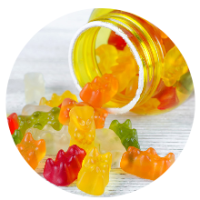
Explore our high-purity raw material extracts, chewable matrices, and finished dosage solutions backed by verified certificates of analysis and stringent global quality controls.
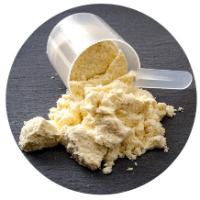
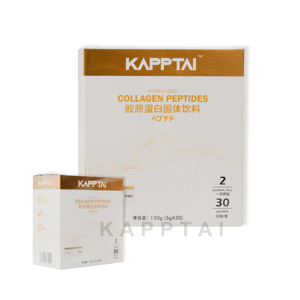
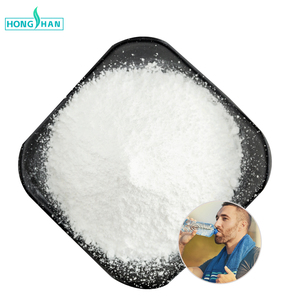
Halal Certified Hydrolyzed Marine Fish Collagen Peptide Powder
Key Actives: Type I & III Bioactive Peptides Application: Beauty Gummies, Bone & Joint Health Grade: Premium Pharmaceutical / Food Grade
Executive Summary: The Metamorphosis of Global Gummy Sourcing
The global nutraceutical market is experiencing a structural paradigm shift. Traditional delivery vehicles—namely compressed tablets and hard gelatin capsules—are rapidly surrendering market share to functional chewable gummies. Driven by consumer pill fatigue, dysphagia prevalence among aging demographics, and a universal demand for organoleptic pleasure in daily wellness regimens, bulk gummy manufacturing has transitioned from a confectionery novelty into a high-precision pharmaceutical-grade delivery technology.
For global brand owners, procurement executives, and institutional importers, sourcing high-quality bulk gummies from top Chinese manufacturers requires an intricate understanding of active thermal degradation, gelling matrix rheology, water activity control ($a_w$), and regional regulatory compliance. China's manufacturing ecosystem has evolved into a global powerhouse, combining massive economies of scale with state-of-the-art automated depositing lines, stringent international quality certifications (c-GMP, Health Canada Site License standards, ISO 22000, Halal, Kosher), and advanced bio-availability enhancement technologies.
This comprehensive technical white paper evaluates the core engineering realities, active ingredient loading thresholds, procurement trends, and quality verification frameworks required to build a resilient supply chain with premier bulk gummy factories.
Technical Matrix Engineering: Pectin vs. Gelatin Rheology
A fundamental decision in bulk gummy procurement is selecting the optimal gelling polymer. The physical stability, melting point, flavor release profile, and target market positioning depend entirely on the polysaccharide or protein matrix utilized.
Citrus & Apple Pectin Matrix (Plant-Based)
Pectin is a structural heteropolysaccharide extracted from citrus peels or apple pomace. It forms a gel through a tight junction zone mechanism under controlled pH (3.2–3.6) and soluble solids (>60% Brix).
Thermal Stability: High heat resistance; does not melt in tropical transit (up to 60°C).
Texture: Clean, short-textured bite with fast organoleptic flavor release.
Market Suitability: 100% Vegan, Halal, Kosher, and clean-label compliant.
Processing Sensitivity: Requires precise acidic activation during depositing.
Bovine / Porcine Gelatin Matrix (Protein-Based)
Gelatin is a denatured collagen polypeptide derived from animal connective tissues. It forms a thermo-reversible triple-helix hydrogel with high elasticity.
Thermal Stability: Low heat threshold; prone to clumping and melting above 32°C–35°C.
Texture: Chewy, elastic, bouncy mouthfeel with prolonged dissolution rate.
Active Loading: Exceptional emulsification capacity for fat-soluble actives (e.g., Vitamin D3, Omega-3s).
Pro Tip for Sourcing Executives: For international export, modern Chinese factories predominantly recommend modified Citrus Pectin or hybrid Pectin-Tapioca starch matrices to eliminate climate-induced melting risk during containerized ocean freight without sacrificing chewiness.
Unlike hard shell capsules where dry powders are filled without heat, gummy manufacturing involves continuous boiling and vacuum cooking at temperatures between 105°C and 115°C, followed by starch or silicone depositing at 85°C to 95°C. Heat-sensitive bio-actives—such as Vitamin C, Probiotics, Melatonin, Marine Collagen Peptides, and Botanical Extracts (e.g., Shilajit, Maca)—can undergo significant thermal degradation if introduced incorrectly into the slurry.
1. Scientific Overage Formulation
To ensure label claim validity throughout a 24-month shelf life, leading factories calculate precise, validated input overages (typically +10% to +25% depending on kinetic degradation curves determined via accelerated ICH stability testing).
2. Dual-Injection Cold Dosing
Advanced continuous production lines isolate heat-sensitive actives from the primary sugar-pectin syrup cook. Active blends, natural colors, and flavor oils are metered via inline dynamic mixers seconds prior to mold deposition.
3. Liposomal & Microencapsulation
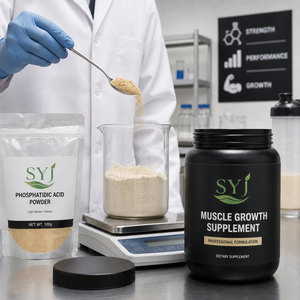
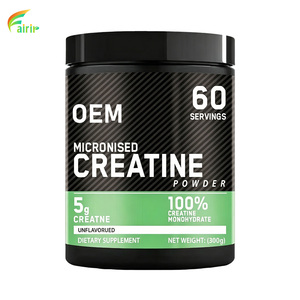
Hydrophobic compounds, botanical minerals (such as Shilajit or Phosphatidic Acid), and bitter amino acids (DL-Methionine, Creatine) are micro-encapsulated in lipid or ethylcellulose coats to prevent oxidation, moisture interaction, and off-notes.
Integrated Manufacturing Ecosystem
Six Core Dosage Capabilities Under One Quality System
Consolidating your complete dietary supplement catalog with an established contract manufacturer removes vendor fragmentation, standardizes batch-release protocols, and drastically lowers total cost of ownership. Partnering facilities maintain dedicated high-speed automated lines across six primary delivery formats:
1. Softgel Encapsulation
High-precision oil suspension fill (Fish Oil, Omega-3s, Vitamin D3/K2, CoQ10, Astaxanthin) with airtight hermetic sealing.
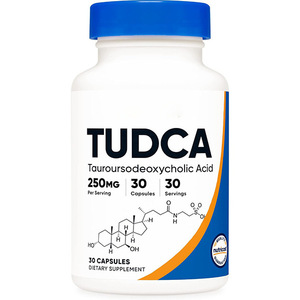
Size 00, 0, and 1 vegetarian (HPMC) and gelatin caps for targeted botanical extracts, TUDCA, and probiotic powders.
4. Liquid Syrups & Drops
Pediatric drops, senior wellness syrups, sublingual sprays, and high-bioavailability liquid liposomal active suspensions.
5. Functional Gummies
Pectin, Gelatin, and Sugar-Free (Maltitol/Erythritol/Allulose) deposited gummies with custom molds, flavors, and active blends.
6. Powder Blending
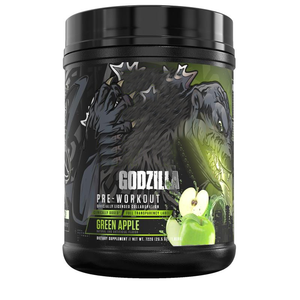
V-blender uniform mixing for pre-workouts, hydrolyzed collagen powders, amino acid formulations, and greens drink mixes.
Pharmaceutical-Grade Infrastructure
Full Traceability & In-House Packaging Solutions
Bulk product integrity is compromised if un-packaged gummies or supplements are exposed to ambient humidity during transfer. Facilities operate integrated automated packaging suites directly connected to climate-controlled curing rooms ($20^{\circ}\text{C}$, $<35\%$ Relative Humidity).
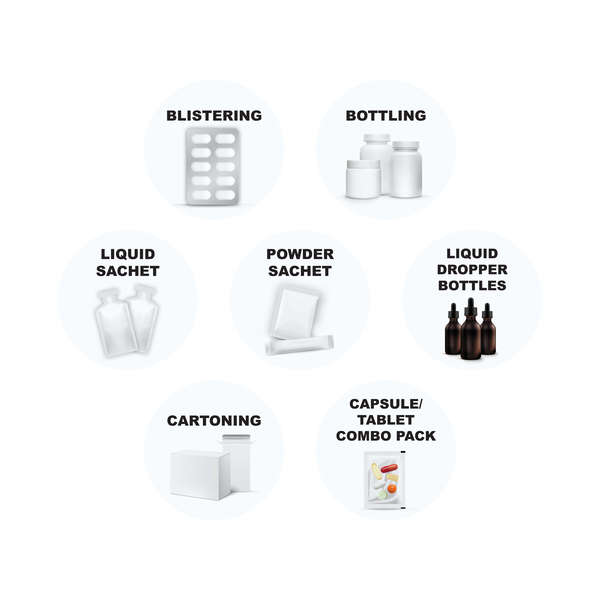
Bottling Lines: HDPE & PET bottles with heat-induction foil sealing, child-resistant caps, and neck shrink bands.
Blister Thermoforming: Alu-Alu and PVC/PVDC blisters for unit-dose portability and maximum barrier protection.
Sachet & Stick Packs: High-speed single-serve powder and liquid sachet packaging with nitrogen flushing.
Serialization & Auditing: Full batch record retention, lot coding, expiry printing, and analytical CoAs provided for every production run.
Strategic Procurement Horizons
Global Gummy Sourcing Trends (2026–2030 Roadmap)
To maintain competitive market dominance, brand owners must align their product development pipelines with emerging consumer shifts and technology advancements. Contract manufacturing partners highlight four transformative market trends shaping bulk gummy procurement:
A. Sugar-Free & Low-Glycemic Formulations
Traditional glucose-syrup gummies containing 3 to 5 grams of sugar per serving face regulatory headwinds and consumer pushback. Next-generation bulk gummies utilize non-glycemic polyols (Maltitol, Isomalt), soluble tapioca fibers, and natural rare sugars like Allulose. These systems require modified depositing temperatures to ensure proper gelling without crystallization.
B. Center-Filled & Dual-Texture Technology
Advanced co-extrusion depositing lines allow factories to encapsulate liquid or gel cores within a pectin shell. This permits the separation of incompatible active ingredients (e.g., oil-soluble omega fatty acids in the center, water-soluble vitamins in the shell) while delivering a premium sensory experience.
C. Nootropics & High-Potency Adaptogens
Gummies are expanding beyond basic multivitamins into complex cognitive and stress-relief categories. Formulations featuring high-dose Ashwagandha, Lion's Mane, L-Theanine, Shilajit, and Phosphatidic Acid demand sophisticated taste-masking technologies to neutralize intense herbal bitterness.
D. Micro-Encapsulated Postbiotics & Probiotics
Incorporating live probiotic cultures (e.g., Bacillus coagulans, Spores) into heated gummy slurry previously resulted in extreme cell mortality. Modern factories utilize lipid micro-encapsulation to protect bacterial cell walls during cooking, guaranteeing target Colony Forming Units (CFU) through shelf life.
Standardized Execution Protocol
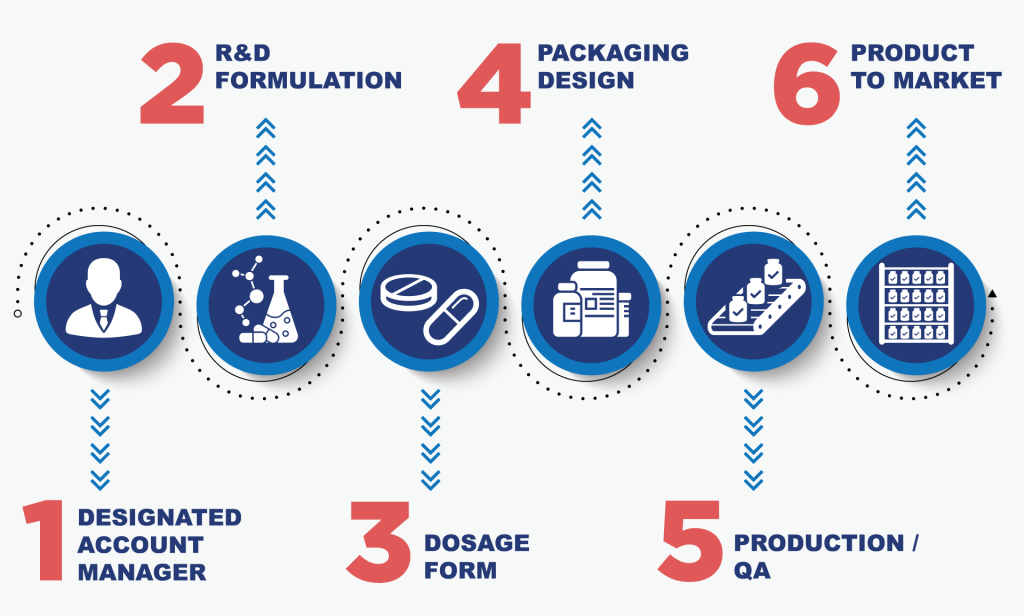
6-Step OEM/ODM Manufacturing Workflow
From initial R&D bench testing to final container loading, every commercial project adheres to a strict, traceable six-stage milestone framework.
Q1: What is the standard Minimum Order Quantity (MOQ) for bulk gummy manufacturing?
Standard bulk gummy manufacturing runs require larger continuous batch sizes than compressed tablets to establish equilibrium in continuous cooking boilers. Minimum Order Quantities (MOQs) typically start at 300,000 to 500,000 individual gummies per batch (approx. 5,000 to 8,000 finished bottles of 60-count). For established stock formulas or pilot runs, flexible production windows may permit lower starting tiers.
Q2: How do Chinese manufacturers prevent pectin gummies from melting or sticking during tropical ocean transit?
Melting and clumping are prevented through three strict manufacturing controls: (1) Formulating with high-methoxyl Citrus Pectin which exhibits a thermal degradation threshold above 60°C; (2) Maintaining extended curing room cycles to achieve precise water activity levels ($a_w < 0.62$) and total soluble solids ($78^{\circ}\text{–}82^{\circ}\text{ Brix}$); and (3) Applying food-grade anti-sticking vegetable oil polishes (Medium Chain Triglycerides / Carnauba Wax coat) prior to bottling.
Q3: Which documentation and certificates are required for smooth customs clearance into North America and Europe?
Every batch shipment is accompanied by a comprehensive regulatory export binder containing: (1) Batch-specific Certificate of Analysis (CoA) for potency, heavy metals, pesticides, and micro limits; (2) cGMP / ISO 22000 Facility License; (3) Certificate of Free Sale (CFS); (4) Halal / Kosher Audit Certificates (if requested); (5) Full ingredient declaration list for FDA / EFSA labeling compliance.
Q4: Can heat-sensitive active ingredients like Vitamin C, Probiotics, and Collagen be successfully loaded into gummies?
Yes. Factories utilize dynamic inline cold-dosing systems where sensitive active micro-ingredients are injected into the liquid slurry at lowered temperatures immediately prior to mold deposition. Additionally, bio-engineered microencapsulation coats ingredients in protective lipid shells to shield them against thermal stress during processing.
Q5: What is the typical production and lead-time schedule for a custom bulk gummy project?
A standard project timeline spans 4 to 6 weeks from sample approval. Stage 1: Formula refinement & lab sampling (7-10 days); Stage 2: Raw material testing & validation (5-7 days); Stage 3: Mass depositing, curing & oil polishing (7-10 days); Stage 4: Analytical QC, micro testing & packaging release (5-7 days). Custom packaging printing may run concurrently.
Q6: Who owns the intellectual property (IP) of custom gummy formulations?
All custom formulas, proprietary botanical combinations, flavor profiles, and packaging artwork developed specifically for your brand under contract remain 100% your intellectual property. Non-Disclosure Agreements (NDAs) are executed prior to sharing technical formula specifications.
Q7: Are sugar-free gummies as stable as traditional sugar-based gummies?
Sugar-free gummies using Maltitol, Erythritol, or Soluble Tapioca Fiber can achieve equal or superior structural stability to sugar-based formulas when correctly balanced. However, polyols are more hygroscopic, requiring strict water activity management ($a_w \le 0.60$) and desiccant packs inside sealed bottles to prevent ambient moisture absorption after opening.
Q8: What in-house quality control tests are performed on every finished production batch?
Every batch undergoes rigorous 5-stage testing: (1) High-Performance Liquid Chromatography (HPLC) / ICP-MS assay testing for active ingredient potency; (2) Heavy Metal limits screening (Lead, Arsenic, Cadmium, Mercury); (3) Microbiological total plate counts (E. coli, Salmonella, Yeast & Mold); (4) Physical attributes testing (piece weight, Brix, pH, hardness); and (5) Water Activity ($a_w$) measurement.
Scale Your Gummy Product Line With China's Leading Factory Partner
Whether you require custom formulation development, pilot batch trials, or large-scale institutional contract manufacturing, our technical engineering team is ready to assist. Request your quotation, CoA verification, or benchtop samples today.