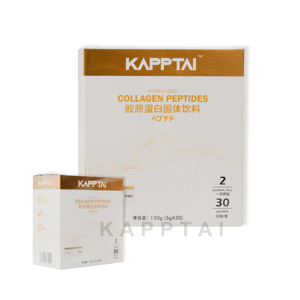
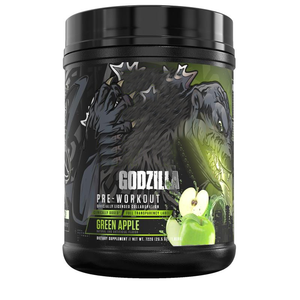
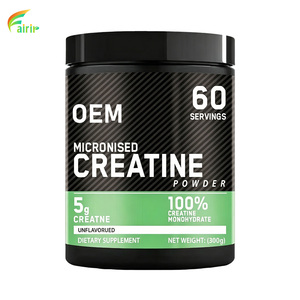
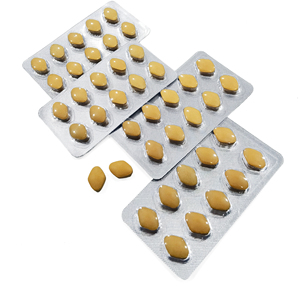
Explore our site-licensed contract manufacturing capabilities spanning hydrolyzed marine peptides, performance powders, and therapeutic bio-actives engineered for global market distribution.
1. The Technical Landscape of Bulk Collagen Peptide Manufacturing
In the modern nutraceutical ecosystem, commercial procurement of bulk collagen hydrolysates has shifted dramatically from simple commodity sourcing to precision bio-engineering. Procurement officers, formula architects, and brand executives must evaluate suppliers not merely on raw unit cost, but on molecular weight distribution, enzymatic hydrolysis parameters, and batch-to-batch organoleptic consistency.
Biomolecular Structure & Enzymatic Hydrolysis Parameters
Native collagen is a rigid, triple-helical protein complex with a high molecular weight of approximately 300,000 Daltons (Da). In its native state, gastrointestinal absorption is exceptionally low. Advanced custom OEM factories utilize multi-stage enzymatic cleavage—typically employing alkaline proteases derived from non-GMO microbial strains—to systematically sever the peptide bonds without degrading essential bioactive tri-peptides (such as Glycine-Proline-Hydroxyproline, or Gly-Pro-Hyp).
The resulting hydrolyzed collagen peptides typically range between 1,000 Da and 5,000 Da. Research demonstrates that hydrolysates optimized below 2,000 Daltons bypass preliminary gastric enzymatic breakdown, entering mucosal enterocytes directly via the PepT1 transporters. This dramatically boosts bio-availability, producing measurable blood plasma hydroxyproline concentrations within 30 to 60 minutes post-ingestion.
Marine Fish Collagen
Derived predominantly from fish scales and skin (Pangasius, Tilapia, or Cod). Composed mainly of Type I collagen. Exceptional purity profile, rapid enzymatic assimilation, Halal/Kosher compliance, and zero mammalian disease transfer risk (BSE/TSE free).
Bovine Hydrolysate
Extracted from grass-fed, pasture-raised bovine hide. Rich in Type I and Type III collagen peptides. Ideal for broad-spectrum nutritional powders, joint restoration, muscle recovery, and cost-effective bulk dietary supplement formulations.
Avian Sternum Type II
Specialized matrix derived from chicken sternal cartilage. Naturally contains non-denatured Type II collagen alongside glycosaminoglycans (chondroitin sulfate and hyaluronic acid) tailored specifically for orthopedic joint health formulas.
Technical Insight for Formula Designers: Bulk density control is vital during powder handling. Granulated collagen (60–80 mesh) provides instant wetting and dust-free processing, preventing bridging in automatic auger fillers during high-speed packaging operations.
2. Enterprise Quality Control, cGMP Compliance & Regulatory Traceability
Operating out of our Health Canada site-licensed facility in Scarborough, Ontario, NutraLab Canada Corp. brings over 25 years of pharmaceutical-grade contract manufacturing expertise to global brands. Overseas buyers evaluating custom OEM bulk collagen suppliers must scrutinize regulatory compliance beyond basic sales collateral.
In-House Analytical Testing & Verification Protocol
Every commercial batch of bulk collagen peptide or finished dose unit undergoes exhaustive laboratory screening prior to Quality Assurance (QA) release. Our facility operates dedicated High-Performance Liquid Chromatography (HPLC), Inductively Coupled Plasma Mass Spectrometry (ICP-MS), and Fourier Transform Infrared Spectroscopy (FTIR) instrumentation to guarantee analytical precision.
- Assay & Amino Acid Profiling: Precise quantification of Hydroxyproline content to verify authentic collagen protein purity and eliminate nitrogen spiking or adulteration risks.
- Heavy Metal Contamination Limits: Ultra-trace screening for Lead (<0.02 ppm), Arsenic (<0.05 ppm), Cadmium (<0.01 ppm), and Mercury (<0.005 ppm) using ICP-MS to meet stringent Health Canada and EU regulations.
- Microbiological Screening: Complete testing in compliance with USP <2021/2022> for Total Aerobic Microbial Count (TAMC), Yeast & Mold, E. coli, Salmonella spp., and Staphylococcus aureus.
- Physical Properties Validation: Bulk density, tap density, moisture content (<5.0%), ash content (<2.0%), particle size distribution, and pH stability verification.
Integrated Single-Source Dosage Capabilities
Managing multiple supply chain vendors for softgels, tablets, powders, and gummies introduces severe operational risk, inconsistent quality standards, and multiplied audit costs. NutraLab consolidates six primary dosage formats under one unified site license:
Powder Blending
V-Blenders & Ribbon Mixers for uniform collagen & active nutrient dispersion.
Two-Piece Capsules
HPMC Vegetarian & Bovine Gelatin shell encapsulation with precise micro-dosing.
Softgel Rotary Encapsulation
Hydrolyzed peptides combined with lipid bases, Fish Oil, and CoQ10.
Tablet Compression
High-speed rotary presses for chewable, film-coated, and effervescent formats.
3. Future Procurement Trends in Bulk Collagen Sourcing (2025–2030)
The global collagen market is projected to expand significantly over the next decade, driven by aging populations, expanding nutricosmetic demand, and sports nutrition convergence. B2B procurement leaders must anticipate key macro trends to secure supply chains against volatility, shifting regulatory hurdles, and evolving consumer standards.
Key Structural Shifts in Global Sourcing
1. ESG & Sustainable Origin
Modern consumers demand complete supply chain transparency. Buyers are prioritizing MSC-certified marine collagen harvested from sustainable fisheries and grass-fed, pasture-raised bovine sources with documented deforestation-free supply chains.
2. Regulatory Paperwork Audits
Importers face intensifying customs enforcement. Winning suppliers must deliver turn-key documentation packages including Certificates of Analysis (CoA), Health Canada Natural Product Numbers (NPN), Certificates of Free Sale (CFS), and BSE/TSE-free attestations.
3. Custom Particle Agglomeration
To support "ready-to-mix" functional drinks, factories are shifting from raw fine powders to customized fluid-bed agglomeration. Instantized collagen dissolves rapidly in cold liquids without clumping, sediment formation, or unpleasant odors.
Procurement Strategy: Consolidating raw material procurement with finished product packaging inside a single site-licensed facility eliminates double-handling contamination risk, reduces freight costs by up to 18%, and preserves batch record integrity.
Detailed technical answers to common questions raised by brand owners, importers, quality managers, and global procurement directors.
What is the standard Minimum Order Quantity (MOQ) for custom OEM collagen manufacturing?
Minimum Order Quantities depend on the dosage format and packaging requirements. For bulk raw powder blending and sachet packaging, MOQs typically start at 500 kg to 1,000 kg per batch. For custom encapsulated formulas (two-piece HPMC or gelatin) and tablet compression, standard production runs start around 300,000 units. Softgel encapsulation and specialized gummies require larger initial batch volumes due to equipment calibration and gel-mass waste stabilization requirements. Contact our sales team to discuss tiered pricing for pilot launches versus commercial scale-up.
How long does an end-to-end private label supplement project take from initial consultation to final delivery?
A standard OEM/ODM contract manufacturing timeline progresses through six structured phases: 1) Initial Consultation & Formulation Design (1–2 weeks), 2) Quotation & Raw Material Sourcing (1–2 weeks), 3) Regulatory Compliance & NPN Submission if applicable (2–6 weeks depending on Health Canada review), 4) Pilot Sampling & Packaging Artwork Approval (2 weeks), 5) cGMP Commercial Manufacturing & Analytical Testing (4–6 weeks), and 6) In-House Packaging, Cartoning & Export Shipping (1–2 weeks). Stock formulas with existing inventory move significantly faster.
Can NutraLab assist with Health Canada Natural Product Number (NPN) licensing and international export documentation?
Yes. Our dedicated in-house regulatory affairs team manages complete Natural Product Number (NPN) submissions with Health Canada, conducts rigorous label claim reviews for compliance with destination-market standards, and compiles complete export documentation packages. This includes Certificates of Analysis (CoA), Certificates of Free Sale (CFS), Good Manufacturing Practice (GMP) certificates, and BSE/TSE-free attestations requested by customs authorities in over 35 export destinations across North America, Asia, Europe, and the Middle East.
What is the difference between Hydrolyzed Marine Collagen and Bovine Collagen in commercial application?
Marine collagen is predominantly derived from fish scales or skin and consists primarily of Type I collagen peptides with a lower average molecular weight (<2000 Da), resulting in superior gastrointestinal absorption and fast-track suitability for high-end nutricosmetic and beauty-from-within brands. Bovine collagen contains both Type I and Type III peptides, offering a broader amino acid matrix suitable for joint support, sports recovery powders, and cost-efficient mass-market dietary formulations. Both formats can be flavored, instantized, and agglomerated in our facility.
Do you handle primary and secondary packaging in-house, or is bulk product shipped off-site for packing?
All primary and secondary packaging operations are performed directly within our Health Canada site-licensed Scarborough facility. Bulk powders, tablets, softgels, and capsules never leave our environmentally controlled GMP rooms prior to being bottled, induction sealed, blister-packed, sachet-filled, cartoned, and palletized. This single-roof operational framework maintains an unbroken chain of custody, guarantees batch record compliance, and eliminates multi-vendor coordination risks.
Who maintains intellectual property (IP) rights for custom-formulated collagen products?
Your brand maintains 100% ownership of your proprietary formulations, custom flavor systems, and brand artwork. Prior to exchanging technical specifications or initiating custom formulation R&D, NutraLab executes standard non-disclosure agreements (NDAs) to safeguard your commercial intellectual property. Proprietary formulations developed specifically for your enterprise will never be shared, re-sold, or utilized for competing brand accounts.
What analytical testing standards are applied to verify bulk raw materials before manufacturing begins?
Every lot of incoming raw material—whether collagen powder, active botanical extracts, or excipients—is quarantined upon arrival. Our internal Quality Control laboratory conducts identity testing (via FTIR Spectroscopy), purity assays (via HPLC), heavy metal quantification (Lead, Mercury, Cadmium, Arsenic via ICP-MS), and comprehensive microbiological verification (USP <2021/2022>). Raw materials are admitted into active production only after receiving explicit clearance from our Quality Assurance manager.
Can you supply specialized dietary certifications such as Halal, Kosher, Non-GMO, or Organic?
Yes. We regularly formulate and manufacture dietary supplements compliant with Halal, Kosher, Non-GMO, Vegetarian (HPMC capsules), and clean-label parameters. Our procurement specialists source certified raw material batches backed by recognized third-party auditing bodies to ensure your finished product satisfies target consumer demographic and religious compliance standards globally.