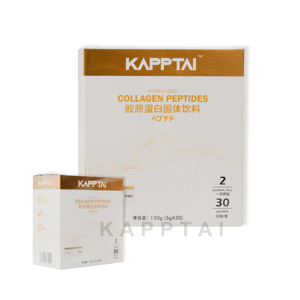
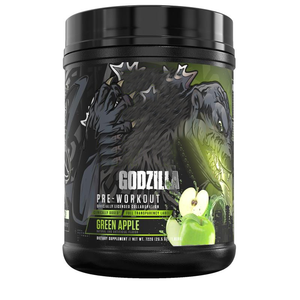
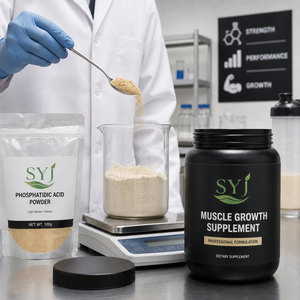
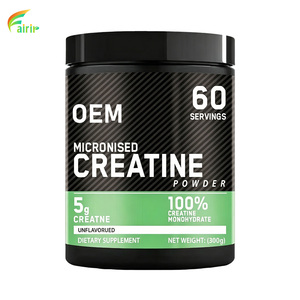
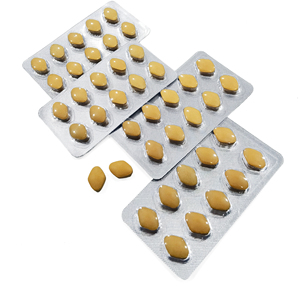
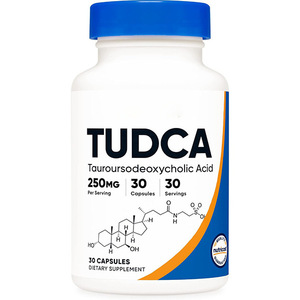
Explore our site-licensed, cGMP-certified primary product offerings available for immediate private label customization, turnkey manufacturing, and international export.
In the global nutraceutical market, Custom OEM Fish Oil Manufacturing has evolved from basic crude lipid extraction into an advanced, precision-engineered bio-refining discipline. Modern B2B buyers—ranging from multinational pharmaceutical distributors to premium digital-first wellness brands—demand ultra-pure Omega-3 fatty acid concentrates (containing specific ratios of Eicosapentaenoic Acid [EPA] and Docosahexaenoic Acid [DHA]) characterized by rigorous contaminant purification and minimal oxidative stress.
Standard crude fish oils typically contain a total Omega-3 concentration of approximately 30% (18% EPA and 12% DHA). However, contemporary consumer preference and clinical research have driven market demand toward highly concentrated formulations exceeding 60% to 85% active Omega-3 content. Achieving these concentrations requires state-of-the-art multi-stage fractionated molecular distillation systems operating under deep vacuum and ultra-low thermal exposure. This process ensures the complete elimination of environmental heavy metals (such as elemental Mercury, Cadmium, Lead, and Arsenic), Polychlorinated Biphenyls (PCBs), Furans, and Dioxins, while preserving the delicate double-bond molecular structures of long-chain polyunsaturated fatty acids (PUFAs).
| Quality Metric / Parameter | Standard Commodity Fish Oil | OEM Ultra-Pure Concentrated Fish Oil | Analytical Benchmark Method |
|---|---|---|---|
| Total Omega-3 Concentration | 30% (18/12 EPA/DHA) | 60% - 85%+ Customized Ratios | High-Performance Gas Chromatography (GC-FID) |
| TOTOX (Total Oxidation Value) | < 26 meq/kg | < 10 meq/kg (Ultra-Fresh Grade) | AOCS Cd 8b-90 / AOCS Cd 18-90 |
| Peroxide Value (PV) | < 5 meq/kg | < 2.5 meq/kg | AOCS Cd 8-53 Titrimetric |
| Anisidine Value (p-AV) | < 20 | < 8.0 | AOCS Cd 18-90 Spectrophotometric |
| Heavy Metals (Hg, Pb, Cd, As) | < 0.1 ppm | Undetectable (< 0.005 ppm) | ICP-MS (Inductively Coupled Plasma Mass Spectrometry) |
| Bioavailability Format | Ethyl Ester (EE) or Crude TG | Re-esterified Triglyceride (rTG) / Natural TG | Nuclear Magnetic Resonance (NMR) Spectroscopy |
Operating from a state-of-the-art Health Canada site-licensed production facility located at 980 Tapscott Rd, Scarborough, Ontario, NutraLab Canada Corp. brings over a quarter-century of technical expertise to contract manufacturing and global white-label distribution. Overseas importers and brand managers face complex regulatory hurdles, supply chain volatility, and quality verification bottlenecks. Partnering with a vertically integrated, cGMP-certified manufacturer eliminates these operational risks.
Our facility operates under rigorous Natural Health Products Regulations (NHPR). Every batch is assigned traceable batch records, verified against Master Production Documents, and fully compliant with cGMP audit standards worldwide.
We streamline market entry across 35+ countries by providing full export documentation packages, including Health Canada Natural Product Numbers (NPN), Certificates of Free Sale (CFS), and validated Certificates of Analysis (CoA).
From softgel encapsulation, tablet compression, and two-piece capsule filling to liquid syrups and specialized powder blending—manage your multi-SKU product lines under a single quality control standard.
Softgel encapsulation of marine lipids requires stringent environmental control to prevent lipid oxidation and preserve bioactive integrity. Oxygen exposure during formulation or encapsulation leads to elevated Peroxide and Anisidine values, resulting in unpleasant rancid odours, reflux fish burps, and degraded shelf-life potency.
Strategic buyers sourcing from OEM fish oil factories must align their product development roadmaps with structural shifts in global consumer demand and regulatory oversight. Based on user intent analytics and trade channel insights, four major trends define the future of marine supplement procurement:
While Ethyl Ester (EE) concentrates offer economical high-dose options, clinical data shows that rTG-form Omega-3 provides up to 70% higher bioavailability compared to EE formats. Brand owners are rapidly migrating portfolios to rTG softgels to claim superior absorption and premium market positioning.
Retailers now mandate full supply chain transparency. Modern procurement requires raw materials sourced exclusively from MSC (Marine Stewardship Council) or Friend of the Sea-certified wild-caught small pelagic fish (anchovies, sardines, and mackerel) harvested from upwelling ecosystems like the Humboldt Current.
Modern consumer brands are moving away from traditional HDPE plastic bottles toward high-barrier ALU-ALU blister foil packs, recyclable amber glass bottles, and single-serve liquid sachets that protect vulnerable oil softgels from light, moisture, and oxidation.
The global marine lipid supply chain has experienced unprecedented supply fluctuations caused by oceanographic shifts (such as El Niño events) impacting South American biomass quotas. Consequently, leading contract manufacturers must maintain multi-regional raw material sourcing networks, including Norwegian, South American, and North Atlantic fisheries, alongside alternative microalgae-based Vegan Omega-3 (DHA/EPA from Schizochytrium sp.).
Furthermore, regulatory bodies like the European Food Safety Authority (EFSA), the US Food and Drug Administration (FDA), and Health Canada are imposing tighter limits on environmental contaminants, specifically 3-MCPD (3-monochloropropane-1,2-diol) esters and Glycidyl Fatty Acid Esters. Partnering with an OEM supplier equipped with advanced analytical testing (ICP-MS, GC-MS/MS, LC-MS/MS) guarantees that bulk shipments comply with evolving international safety directives before leaving the factory floor.
Direct answers to essential technical, logistics, and licensing queries submitted by global supplement buyers.
Partner with Canada’s premier cGMP site-licensed contract manufacturer. Contact our technical sales team for custom formulation guidance, batch quotation, and sample requests.