Explore our premium bulk and private label dietary supplements crafted to meet stringent Japanese quality expectations, bioavailability standards, and consumer preferences.





A comprehensive analysis of consumer intent, regulatory compliance under the MHLW and PMDA, and OEM/ODM strategies for market entry into Japan.
Entering Japan's dietary supplement market demands strict adherence to the Food Sanitation Act overseen by the Ministry of Health, Labour and Welfare (MHLW) and regulatory scrutiny from the Consumer Affairs Agency (CAA). Ingredients must strictly avoid classification under the "Pharmaceutical Ingredients List" enforced by the PMDA. Overseas contract manufacturing requires rigorous documentation including non-irradiation certificates, heavy metal screenings, micro-biological safety assays, and botanical authentication to ensure smooth customs clearance through Japanese quarantine stations.
The introduction of the Kinousei Hyouji Shokuhin (Foods with Function Claims - FFC) system has revolutionized Japan's health landscape. Unlike traditional FOSHU (Foods for Specified Health Uses) which require lengthy government approval, the FFC framework allows brand owners to display functional health claims based on systematic scientific literature reviews (SR) or clinical trials. Formulating products with clinically backed dosages of hydrolyzed marine peptides, phosphatidic acid, or TUDCA allows brands to leverage exact health claims on Japanese consumer packaging.
Japanese consumers exhibit sophisticated user intent centered around "Super-Aging Society" needs and pristine J-Beauty standards. There is a massive shift away from generic multivitamins toward highly targetable, single-ingredient or synergistic bio-active solutions. Demands focus heavily on cellular anti-aging, sarcopenia prevention, liver detoxification, and inner luminosity. Ingredients such as low-molecular-weight marine fish collagen peptides and phosphatidic acid are top choices for localized product development.
How international supplement brands and Japanese distributors can position key product formulations to match modern Japanese consumer lifestyle habits.
Target Demographic: Women aged 25–65 in urban centers like Tokyo and Osaka seeking radiant skin and anti-wrinkle solutions.
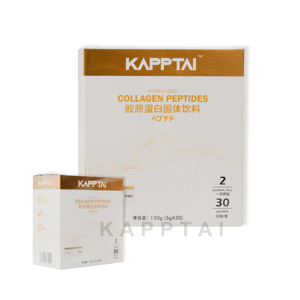
Application Scenario: Daily morning beauty routine powders or convenient travel stick packs. Hydrolyzed marine collagen peptides (< 2,000 Daltons) offer superior bio-absorption compared to bovine alternatives. Compounded with Hyaluronic Acid, Vitamin C, and Ceramide extracts, this formulation directly targets skin hydration and dermal elastin density.
Target Demographic: Japanese corporate professionals ("Salarymen") facing grueling work hours, high stress, and frequent business socializing (Nomikai).
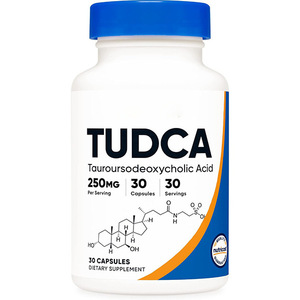
Application Scenario: Pre- and post-socializing liver protection sachets or rapid-release two-piece capsules. TUDCA (Tauroursodeoxycholic Acid) supported by 99% DL-Methionine acts as a powerful hepatoprotective regimen, accelerating alcohol metabolization, alleviating endoplasmic reticulum stress, and protecting liver parenchymal cells.
Target Demographic: Japan’s rapidly expanding active senior population (65+) and fitness enthusiasts.
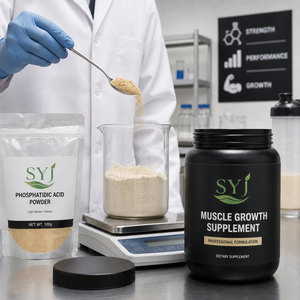
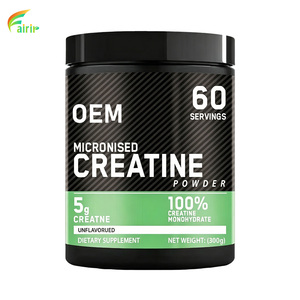
Application Scenario: Daily nutritional powder mixes or easy-to-swallow coated tablets. Phosphatidic Acid (50% Soy Extract) directly activates the muscle target of rapamycin (mTORC1) pathway. When paired with pure Creatine Monohydrate, it prevents muscle wasting (sarcopenia), maintains functional mobility, and accelerates post-exercise skeletal muscle recovery.
Target Demographic: Men and women managing chronic physical fatigue, endocrine imbalance, and vitality decline.
Application Scenario: Compact chewable tablets or high-potency encapsulated formulas. Concentrated Peruvian Black Maca extract coupled with mineral-rich Himalayan Shilajit provides bio-available fulvic acid and trace minerals. This formulation boosts mitochondrial ATP production, balances the endocrine system, and provides sustained stamina without nervous system jitters.
NutraLab Canada Corp. operates as a premier Health Canada site-licensed contract manufacturer located in Scarborough, Ontario. For over 25 years, we have provided turnkey private label supplement manufacturing for over 500 brands spanning 35+ international export markets.

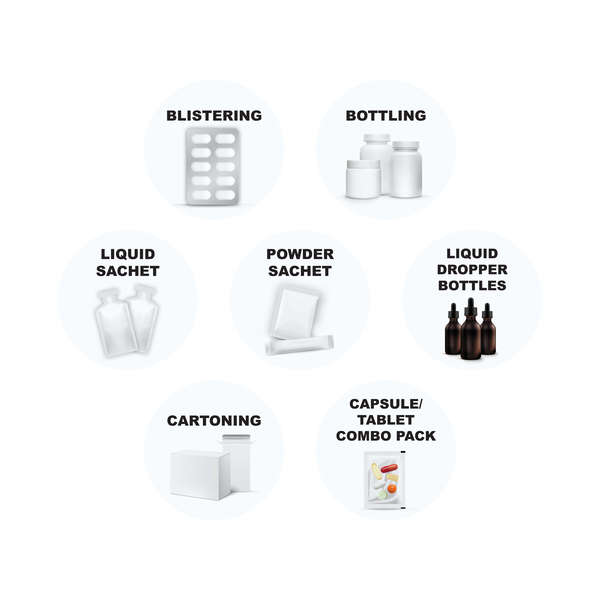
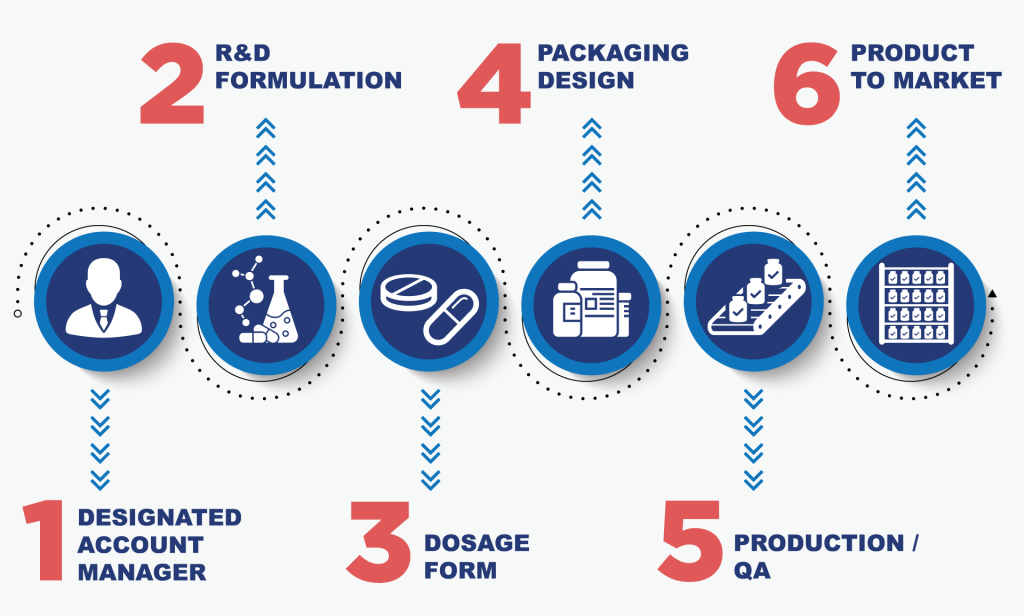
From initial market concept to customs clearing in Yokohama or Kobe, our standardized engineering process ensures total risk mitigation and on-time product delivery.
Key technical, regulatory, and logistical considerations for importing private label supplements into Japan.
Partner with NutraLab Canada Corp. for premier OEM/ODM manufacturing, pharmaceutical-grade quality control, and full export support tailored to Japan’s health market.